The TEMPEST Ateneo team, composed of Dr. Maire Carroline Magante and Mr. Rainier Gerald Mora, visited Rescue 161, Marikina City’s dedicated disaster response unit, where they met with its Chief, Dr. Dave C. David, DBA, MCDRM.
The visit formed part of the TEMPEST project, a collaborative research initiative examining how local governments strengthen their disaster risk reduction and management (DRRM) systems and adapt to climate-related hazards. Through engagement with local stakeholders and DRRM practitioners, the project seeks to better understand how institutional arrangements, local experience, and operational practices contribute to building more resilient communities.
During the meeting, Dr. David discussed the evolution of Rescue 161, tracing how the unit has developed its organizational structures, resources, and operational procedures in response to Marikina City’s changing disaster risk environment. The discussion highlighted how lessons from past emergencies have informed the city’s continuing efforts to strengthen preparedness, coordination, and response capabilities.
The Ateneo team was also given a guided tour of Rescue 161’s command center, which plays a central role in coordinating the city’s emergency response operations. The facility provides personnel with oversight of conditions along the Marikina River, an important component of the city’s flood monitoring and early warning systems. The command center also enables personnel to monitor emergency calls, track the deployment and movements of response teams, and maintain communication with staff operating across the city. These capabilities illustrate the importance of timely information and coordination in managing emergency situations, particularly when conditions require rapid decisions and the mobilization of multiple response teams.
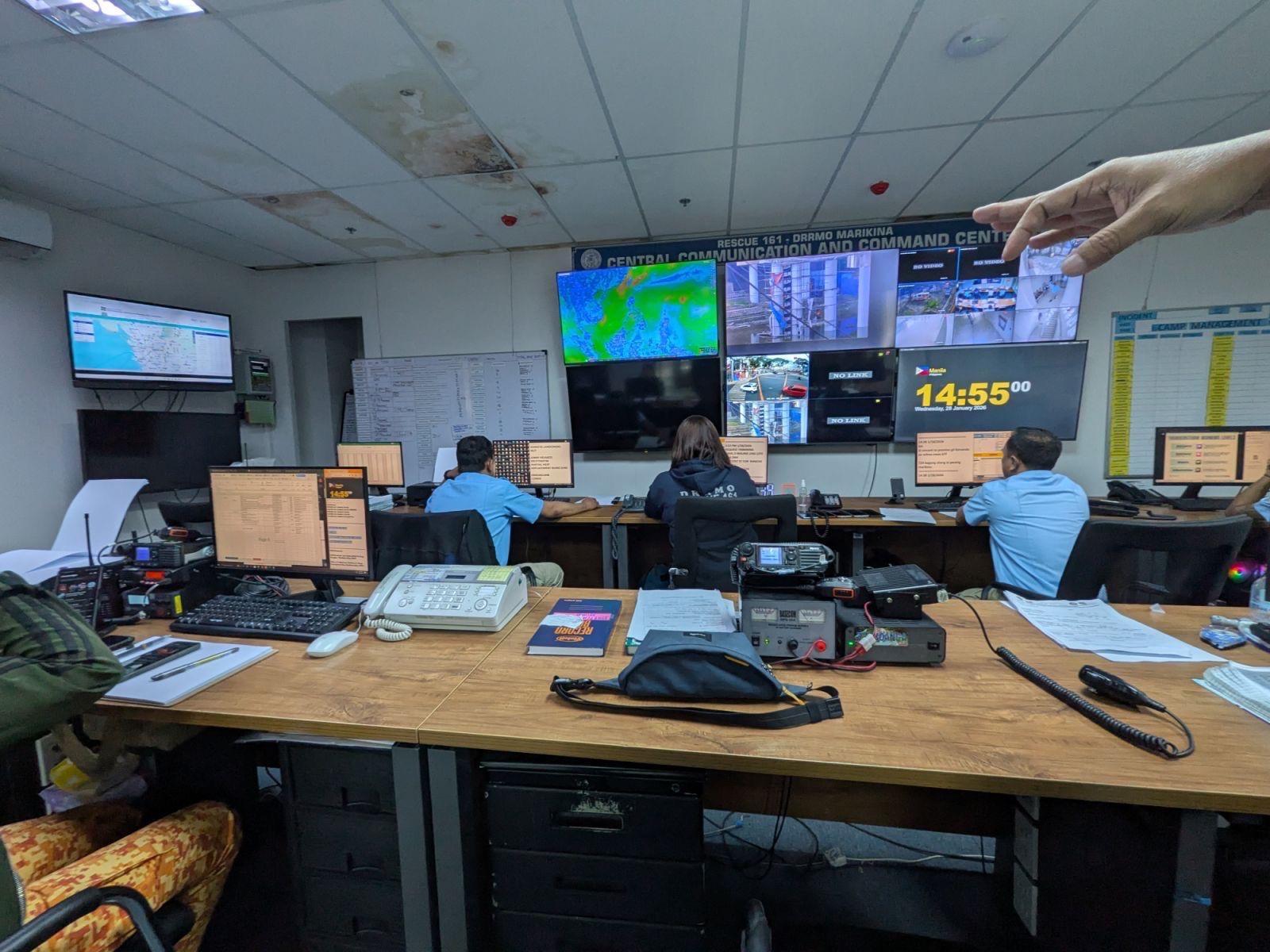
Rescue 161’s Central Communication and Command Center.
The visit continued with a tour of Rescue 161’s warehouse, where the team was introduced to the equipment and supplies maintained for disaster preparedness, emergency operations, and humanitarian assistance. These included emergency supply packs prepared for distribution to affected residents, as well as motorized rescue boats used to navigate floodwaters and support rescue operations. The tour provided a closer look at the logistical preparations that underpin the city’s ability to mobilize personnel and resources during emergencies.
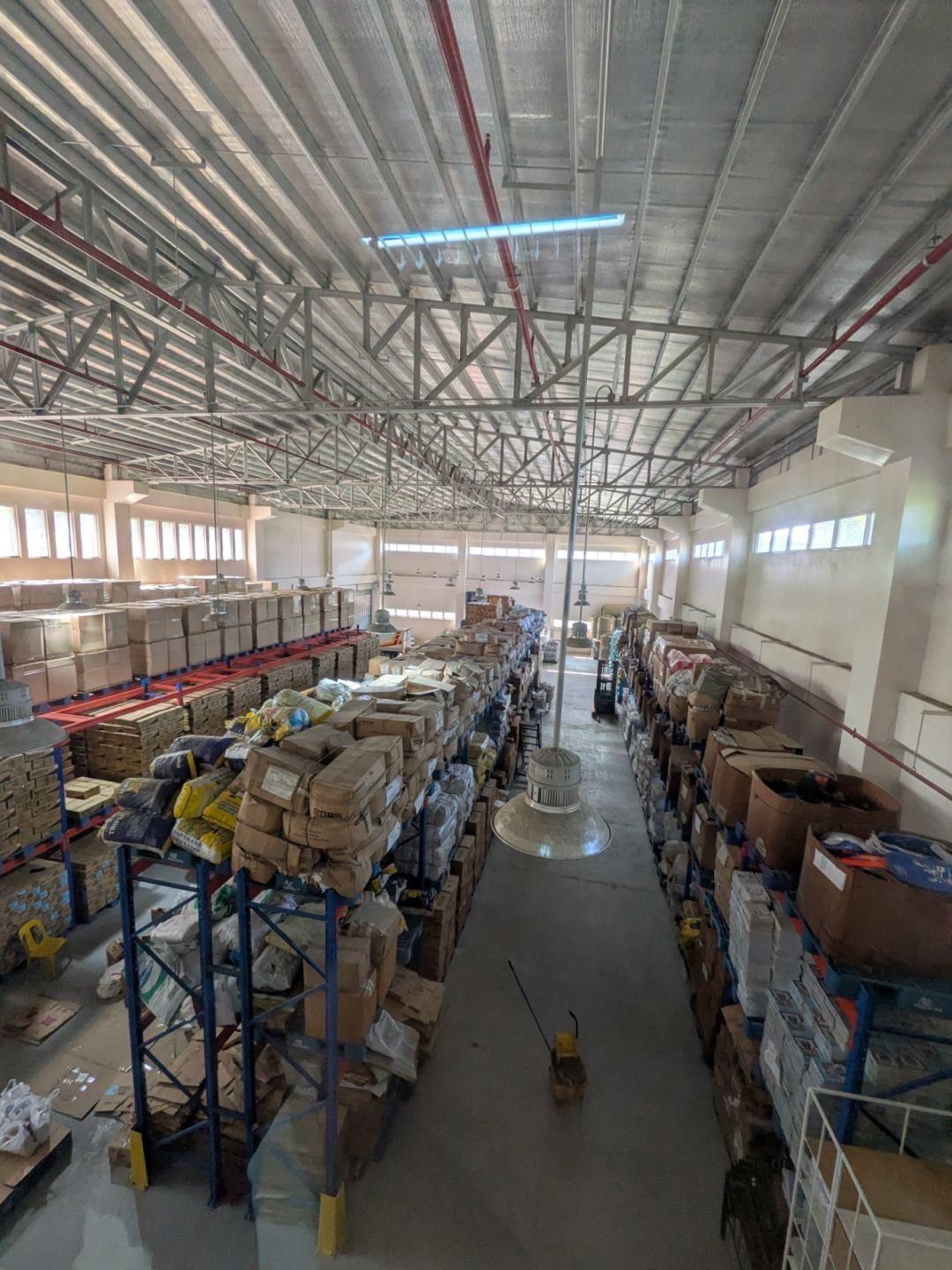
Supplies stored at the Rescue 161 warehouse.
Among the facilities and equipment presented were tents used to accommodate displaced residents at evacuation centers. Beyond providing temporary shelter, these tents are intended to offer families and individuals a measure of privacy and personal space during evacuation. Their inclusion reflects an important dimension of disaster response: ensuring that emergency accommodation addresses not only immediate safety requirements but also the dignity, comfort, and well-being of those seeking refuge.
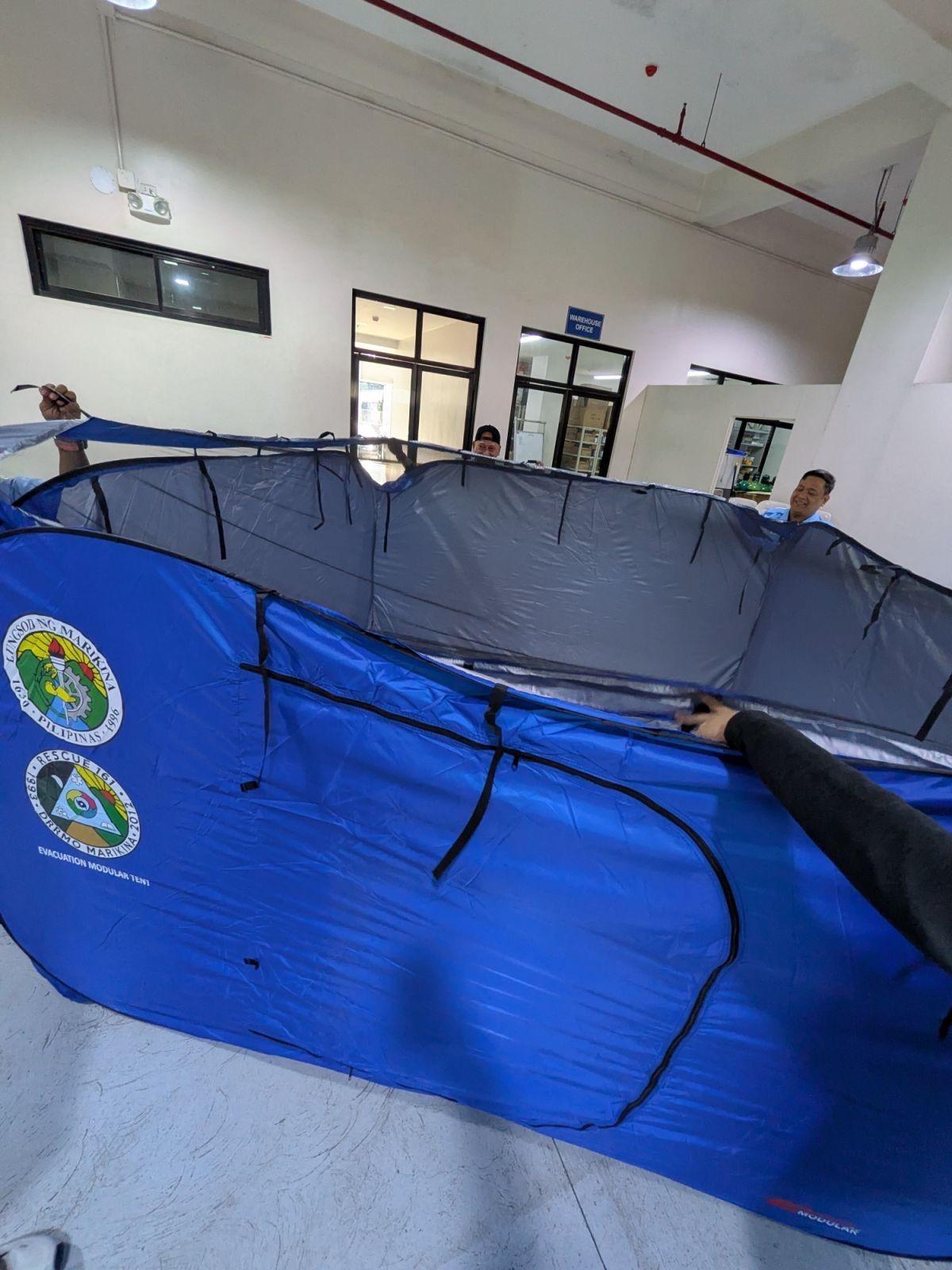
A modular tent used to give evacuees privacy at evacuation centers.
The discussions and facility tours offered the TEMPEST Ateneo team a closer understanding of how Marikina City’s DRRM arrangements have evolved beyond formal policies and institutional structures. From river monitoring and emergency dispatch coordination to rescue equipment and evacuation facilities, the visit illustrated the range of operational resources involved in translating disaster preparedness plans into practical response measures.
The visit reaffirmed the value of collaboration between academic institutions and local governments in understanding how cities continue to adapt their disaster preparedness and response systems to evolving risks.