As part of its continuing research into local disaster resilience, the TEMPEST Ateneo team engaged with disaster risk reduction and management practitioners in Marikina City to better understand how local institutions coordinate emergency response, mobilize resources, and adapt their preparedness systems to evolving risks.
The interviews, which the team started this month, formed part of the TEMPEST project, a collaborative research initiative examining how local governments develop and adapt their DRRM systems. Through conversations with local practitioners, the project seeks to understand how institutional arrangements, operational experience, and cooperation across government and communities contribute to disaster resilience.
A central theme of the discussions was the evolution of Marikina City’s emergency response arrangements. The TEMPEST Ateneo team learned about how the city developed many of its local disaster coordination practices before the passage of the Philippine Disaster Risk Reduction and Management Act of 2010 (Republic Act No. 10121). These arrangements have continued to evolve through subsequent national policies, local initiatives, and lessons from past emergencies.
The interviews also highlighted the importance of coordination during disasters. When severe weather approaches, Marikina prepares equipment and supplies, communicates warnings to communities, and coordinates with national agencies through established channels. Within the city government, emergency responsibilities extend beyond dedicated DRRM personnel. Different departments are assigned roles in evacuation operations, including managing designated evacuation sites and coordinating assistance for affected residents.
Community preparedness was another important area of discussion. It was explained how residents in flood-prone areas have become familiar with river-level warning thresholds and their designated evacuation sites. Community training and information campaigns are intended to help households prepare and act when emergencies arise, complementing the work of formal response teams.
The conversations also offered insights into the continuing and evolving challenges of disaster preparedness. These include maintaining flood-control infrastructure, securing resources for updated training and communications equipment, and improving evacuation facilities to accommodate the needs of children and families with pets.
The interviews provided the TEMPEST Ateneo team with a closer understanding of how disaster preparedness in Marikina involves not only formal institutions and emergency equipment, but also established coordination practices, community participation, and continuous institutional learning. These exchanges contribute to the project’s broader effort to document local DRRM experiences and generate evidence that can inform more adaptive and context-sensitive approaches to disaster governance.
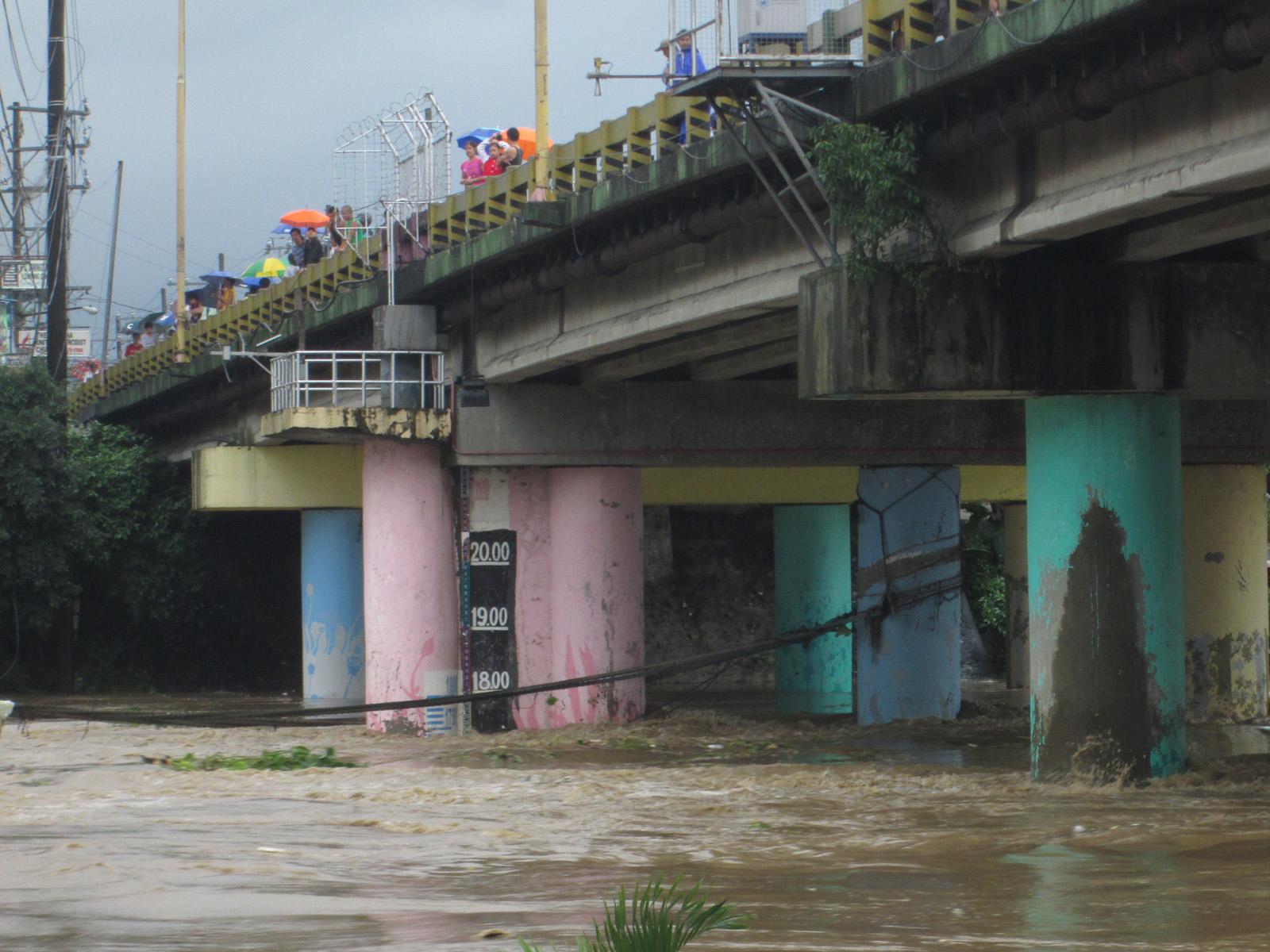
The Marikina River on August 20, 2013. Photo: Chitetskoy / Wikimedia Commons, CC BY-SA 3.0.
