How does a city learn to live with floods? For Marikina City, where heavy rains and rising river waters have long threatened communities, the answer lies in decades of experience, adaptation, and preparation.
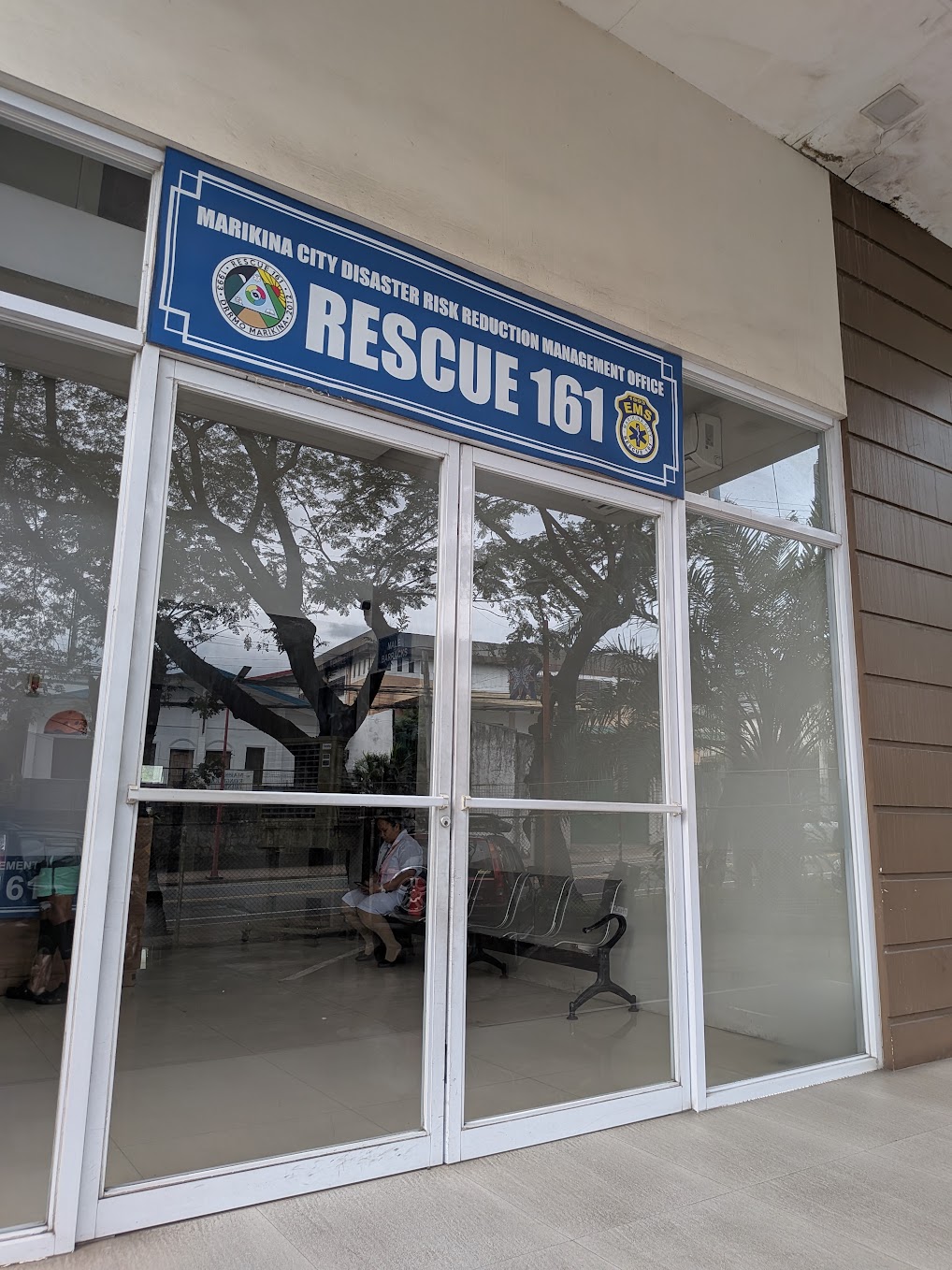
Marikina’s Rescue 161 Office.
As part of TEMPEST (Typhoon Effects on Enterprises in the Philippines), researchers visited Marikina Rescue 161, the city’s emergency response and disaster risk reduction and management center, to better understand how local governments prepare for and respond to typhoons. During the fieldwork, the research team conducted a key informant interview with Dr. Dave C. David, Head of the Marikina City Disaster Risk Reduction and Management Office (DRRMO).
Dr. David generously shared Marikina’s journey in disaster management, explaining how the city’s approach has evolved through years of experience with severe flooding and destructive typhoons. One important discussion focused on how floodwaters move through Marikina during the rainy season. Understanding where water comes from, its expected arrival in the city (through nearby mountains), how quickly water levels rise, and which communities face the greatest risks helps local authorities anticipate flooding and prepare appropriate responses. The team also learned how Marikina developed and continuously improved its evacuation protocols. Drawing lessons from past disasters, particularly Typhoon Ondoy in 2009, the city strengthened its early warning systems, coordination mechanisms, and evacuation procedures to better protect residents.
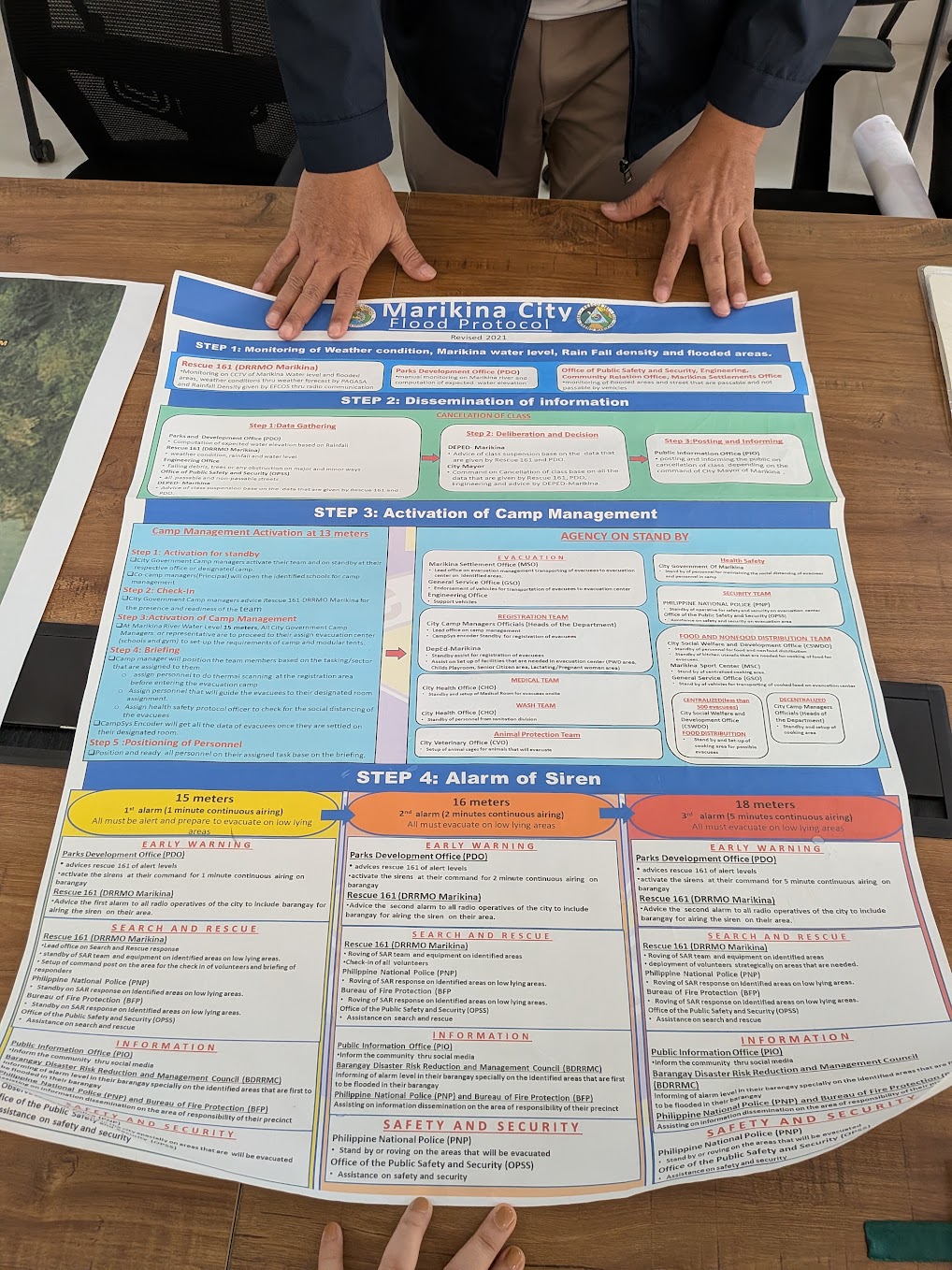
Dr. David explaining the evolution of Marikina’s flood early warning system.
Beyond the technical discussions, the visit highlighted an important lesson: disaster preparedness is not built overnight. It develops through experience, institutional learning, and the willingness to improve existing systems.
For TEMPEST, these firsthand insights provide valuable context for understanding how communities and local institutions adapt to recurring typhoon threats. Marikina’s experience demonstrates that while typhoons cannot be prevented, their consequences can be better managed through preparation, coordination, and continuous learning.
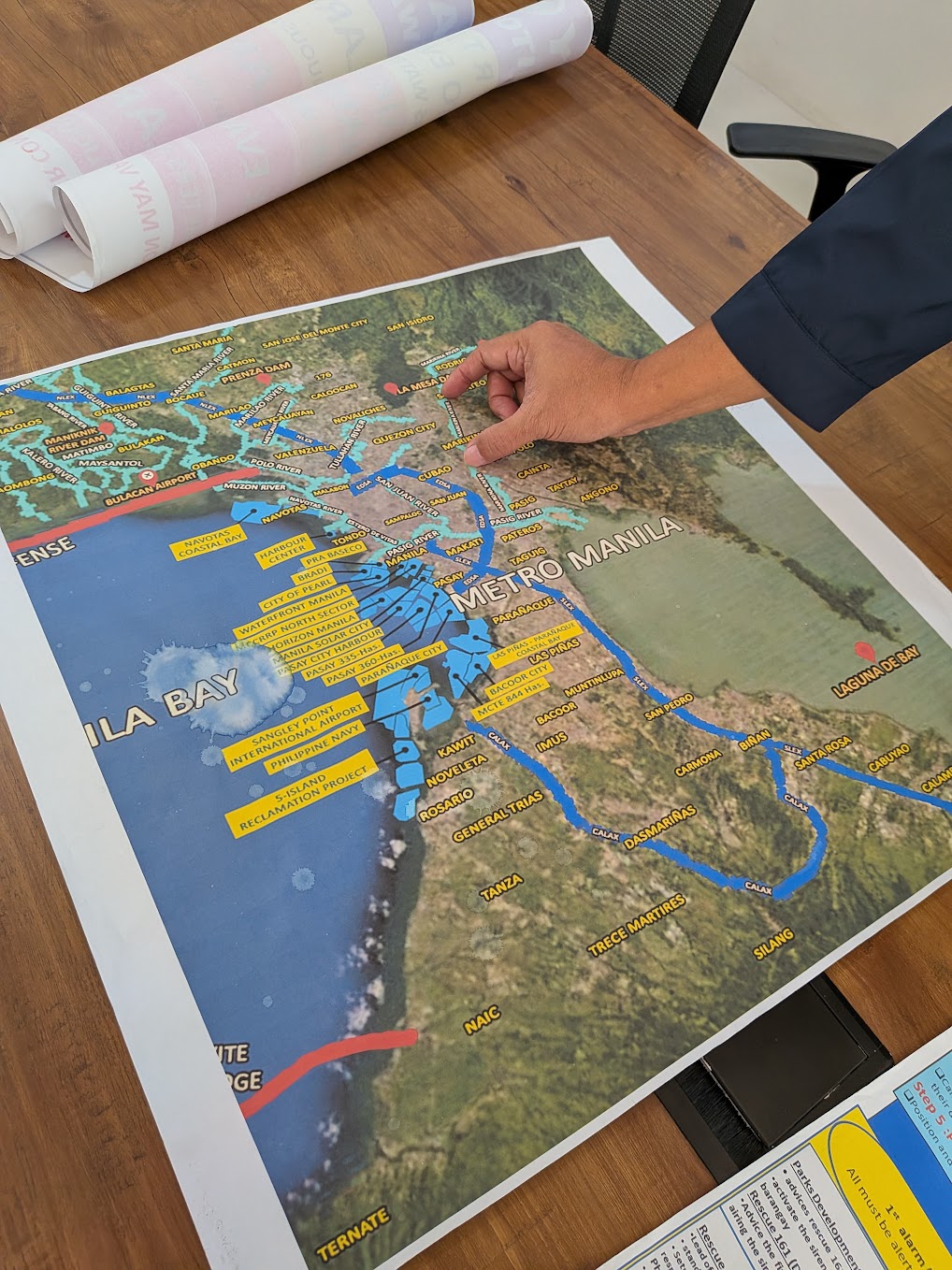
The anticipated flow of rainwater from the surrounding mountains and upstream watersheds toward Marikina City during heavy rainfall.