<?xml version="1.0" encoding="utf-8"?><feed xmlns="http://www.w3.org/2005/Atom" xml:lang="en"><generator uri="https://jekyllrb.com/" version="3.10.0">Jekyll</generator><link href="https://fcarpena.github.io/tempest/feed.xml" rel="self" type="application/atom+xml" /><link href="https://fcarpena.github.io/tempest/" rel="alternate" type="text/html" hreflang="en" /><updated>2026-10-30T14:28:09+01:00</updated><id>https://fcarpena.github.io/tempest/feed.xml</id><title type="html">TEMPEST</title><subtitle>The TEMPEST project aims to better understand the economic effects of typhoons. The project will focus on business in the Philippines - the worldʼs most typhoon-prone country.</subtitle><entry><title type="html">A Year of Research and Collaboration: Ateneo’s Contributions to TEMPEST</title><link href="https://fcarpena.github.io/tempest/a-year-of-research-and-collaboration/" rel="alternate" type="text/html" title="A Year of Research and Collaboration: Ateneo’s Contributions to TEMPEST" /><published>2026-10-28T00:00:00+01:00</published><updated>2026-10-28T00:00:00+01:00</updated><id>https://fcarpena.github.io/tempest/a-year-of-research-and-collaboration</id><content type="html" xml:base="https://fcarpena.github.io/tempest/a-year-of-research-and-collaboration/"><![CDATA[<p><img src="/tempest/assets/images/2026-09-28-leong-fellows-ceremony-magante.jpg" alt="" /></p>

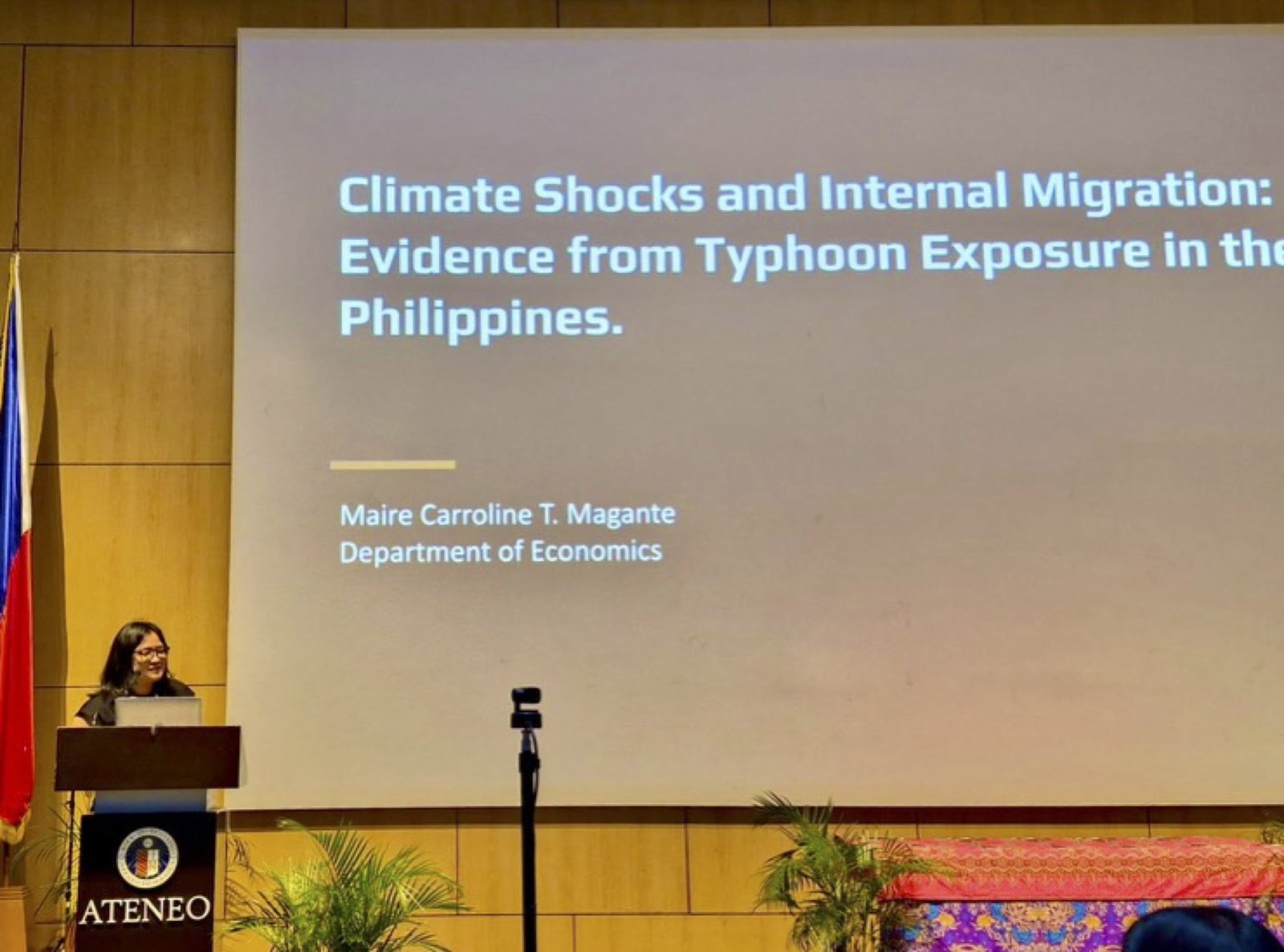
<p class="caption">Dr. Magante presenting her research at the Leong Institute Fellows Forum on September 28, 2026, at the Leong Hall Auditorium, Ateneo de Manila University.</p>

<p>Over the past year, Ateneo de Manila University has continued its involvement in TEMPEST through research activities, international academic exchanges, and collaborations examining the intersections of economic development, environmental challenges, and institutional resilience in the Philippines.</p>

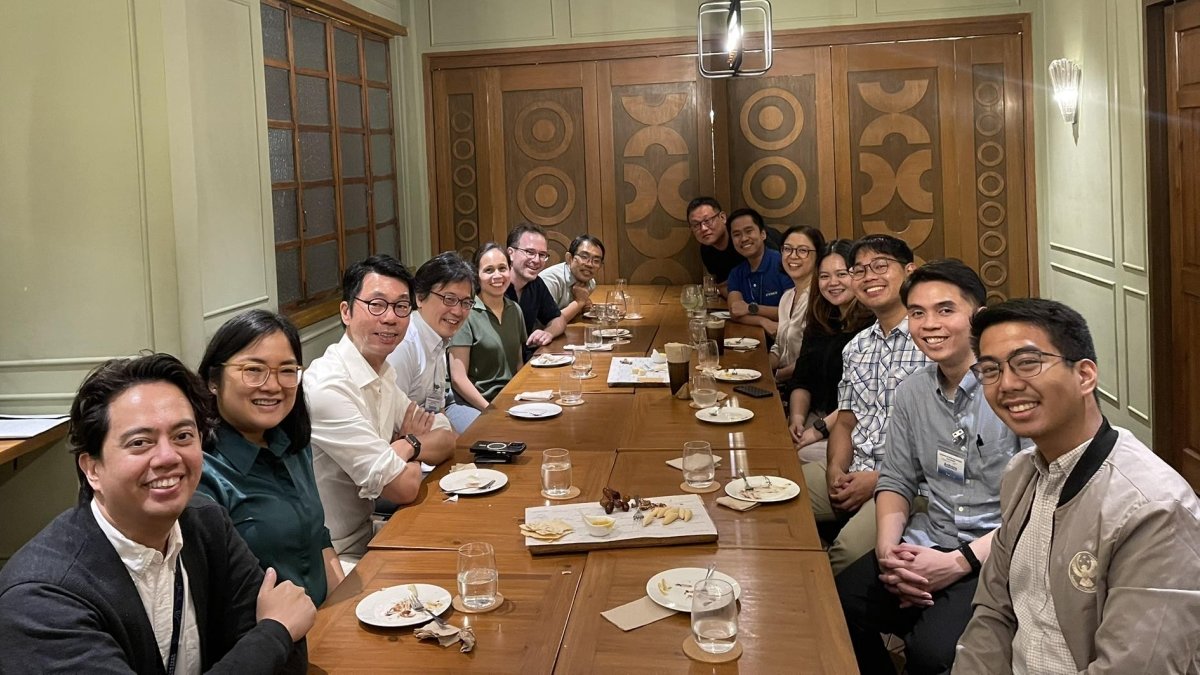
<p>The collaboration began with the <a href="/tempest/kick-off-workshop-on-firms-and-economic-development/">“Firms and Economic Development” workshop</a>, held on August 4, 2025, at Ateneo’s Loyola Heights campus in Manila. Hosted at Faber Hall, the workshop brought together researchers from academic institutions and policy organizations to discuss issues in economic development. It featured keynote presentations by Professor Toshihiro Okubo of Keio University and Professor Heiwai Tang of the University of Hong Kong, alongside contributions from scholars affiliated with the World Bank, Bangko Sentral ng Pilipinas, Seoul National University, the University of the Philippines, and Ateneo de Manila University.</p>

<p>Following the workshop, the Ateneo research team undertook months of fieldwork in Marikina City to examine the evolution of local disaster risk reduction and management (DRRM) institutions. Through key informant interviews with local government officials and community-level stakeholders, the research explored how disaster preparedness, emergency response, and institutional coordination have developed over time. Particular attention was given to the ways national policy frameworks have been adapted to local circumstances, as well as the role of institutional experience and community participation in strengthening disaster governance.</p>

<p>The project’s international collaboration continued in May and June 2026, when Dr. Maire Carroline Magante of Ateneo de Manila University and Dr. Anthony Sabarillo of the University of the Philippines spent a month as <a href="/tempest/research-visit-to-oslomet/">guest researchers at Oslo Metropolitan University</a>. Their visit included research meetings, writing sessions, conferences, and academic exchanges with colleagues. Together with TEMPEST Project Manager Fenella Carpena, they also visited the Philippine Embassy in Oslo to present the TEMPEST research with Ambassador Enrico Fos and Consul Glenn Obach. The visit further provided opportunities to participate in academic conferences in Stockholm and Växjö, Sweden.</p>

<p>In September 2026, Dr. Magante was <a href="/tempest/dr-maire-magante-awarded-ricardo-leong-research-grant/">awarded the Ricardo Leong Grant</a> for Global Area Studies Research for the academic year 2026–2027. Her study, “Climate Shocks and Internal Migration: Evidence from Typhoon Exposure in the Philippines,” examines the relationship between typhoon exposure and internal migration. Undertaken in partnership with TEMPEST and OsloMet, the research represents a further opportunity to strengthen international collaboration on the economic consequences of climate-related shocks.</p>

<p>Looking ahead, the Ateneo team composed of Dr. Magante and Mr. Rainier Gerald Mora is scheduled to present findings from its TEMPEST research at the East Asian Economic Association (EAEA) Conference 2026, to be held in Siem Reap, Cambodia, in November. The presentation will provide an opportunity to share insights developed through the project’s research activities and engage with a wider community of scholars working on economic development and related policy challenges.</p>

<p>Together, these activities reflect an ongoing collaboration between Ateneo and its TEMPEST partners, bringing together field-based research, academic exchange, and policy-relevant inquiry to deepen understanding of development and environmental challenges in the Philippines.</p>]]></content><author><name></name></author><summary type="html"><![CDATA[]]></summary><media:thumbnail xmlns:media="http://search.yahoo.com/mrss/" url="https://fcarpena.github.io/tempest/2026-09-28-leong-fellows-ceremony-magante.jpg" /><media:content medium="image" url="https://fcarpena.github.io/tempest/2026-09-28-leong-fellows-ceremony-magante.jpg" xmlns:media="http://search.yahoo.com/mrss/" /></entry><entry><title type="html">Dr. Maire Magante awarded Ricardo Leong Research Grant</title><link href="https://fcarpena.github.io/tempest/dr-maire-magante-awarded-ricardo-leong-research-grant/" rel="alternate" type="text/html" title="Dr. Maire Magante awarded Ricardo Leong Research Grant" /><published>2026-09-28T00:00:00+02:00</published><updated>2026-09-28T00:00:00+02:00</updated><id>https://fcarpena.github.io/tempest/dr-maire-magante-awarded-ricardo-leong-research-grant</id><content type="html" xml:base="https://fcarpena.github.io/tempest/dr-maire-magante-awarded-ricardo-leong-research-grant/"><![CDATA[<p>We are pleased to share that Dr. Maire Carroline T. Magante, TEMPEST project partner and Chair of the Department of Economics at Ateneo de Manila University, has been awarded the Ricardo Leong Grant for Global Area Studies Research for the academic year 2026–2027. She is also the first Leong Institute Fellow from Ateneo’s Department of Economics.</p>

<p>Her study, “Climate Shocks and Internal Migration: Evidence from Typhoon Exposure in the Philippines,” will examine how typhoons affect internal migration. The research is undertaken in partnership with TEMPEST and Oslo Metropolitan University.</p>

<p>The Ricardo Leong Institute Fellowship Program supports the international mobility of Ateneo faculty, the development of geographical expertise outside the Philippines, and academic collaborations with partner institutions abroad. This award will strengthen the collaboration between Ateneo and OsloMet and support our joint research on the economic consequences of typhoons in the Philippines.</p>

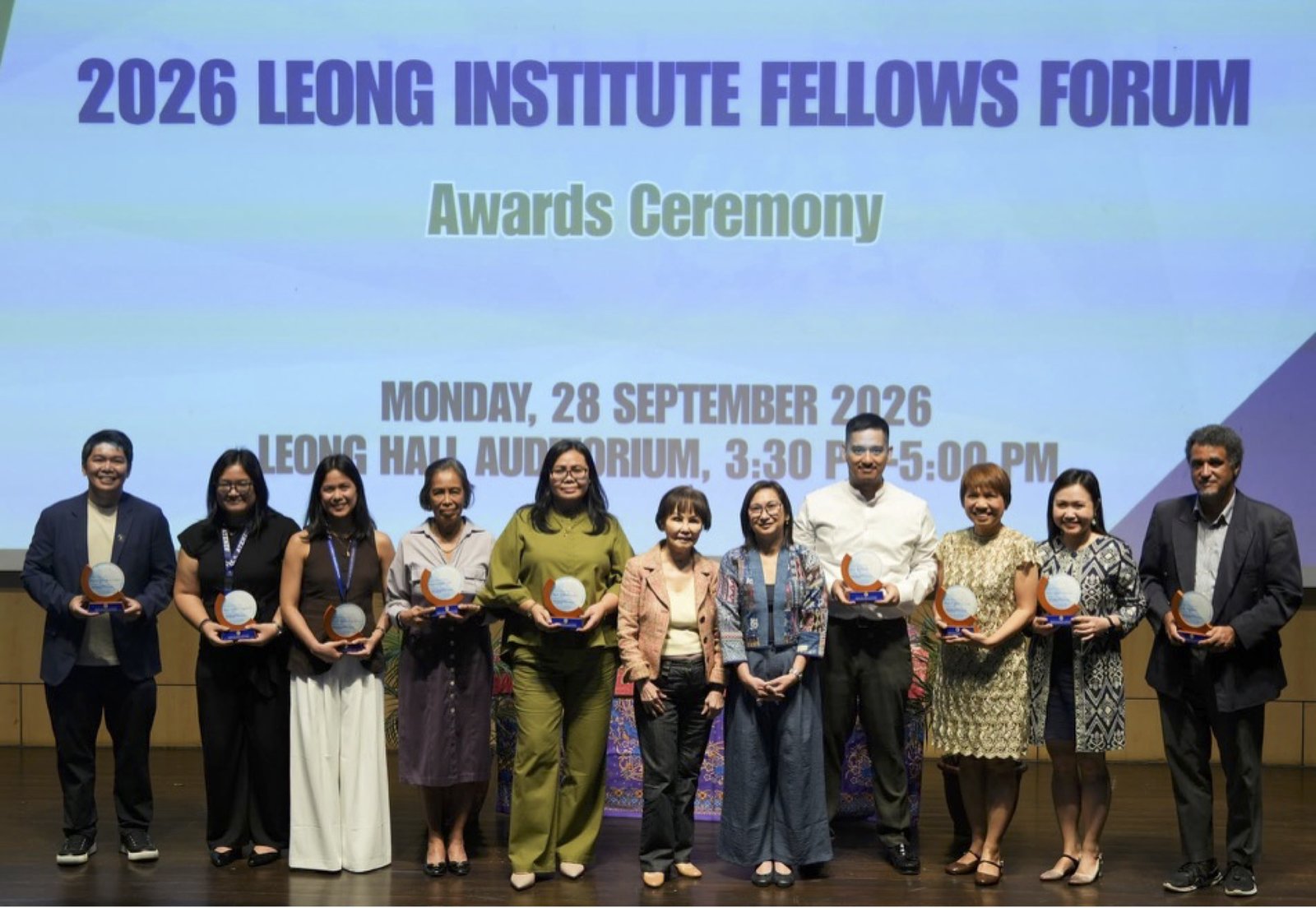
<p>Dr. Magante joins this year’s recipients of the Ricardo Leong Grants and Leong Institute Fellows, whose projects represent a diverse range of research contributions to global and area studies.</p>

<p>Congratulations, Dr. Magante!</p>

<p><img src="/tempest/assets/images/2026-09-28-leong-fellows-ceremony-group.jpg" alt="" /></p>

<p class="caption">Awarding ceremony of the 2026–2027 Leong Institute Fellows.</p>]]></content><author><name></name></author><summary type="html"><![CDATA[We are pleased to share that Dr. Maire Carroline T. Magante, TEMPEST project partner and Chair of the Department of Economics at Ateneo de Manila University, has been awarded the Ricardo Leong Grant for Global Area Studies Research for the academic year 2026–2027. She is also the first Leong Institute Fellow from Ateneo’s Department of Economics.]]></summary><media:thumbnail xmlns:media="http://search.yahoo.com/mrss/" url="https://fcarpena.github.io/tempest/2026-09-28-leong-fellows-ceremony-group.jpg" /><media:content medium="image" url="https://fcarpena.github.io/tempest/2026-09-28-leong-fellows-ceremony-group.jpg" xmlns:media="http://search.yahoo.com/mrss/" /></entry><entry><title type="html">Op-ed in BusinessWorld: The Case for a Philippine Business ID</title><link href="https://fcarpena.github.io/tempest/op-ed-in-businessworld-the-case-for-a-philippine-business-id/" rel="alternate" type="text/html" title="Op-ed in BusinessWorld: The Case for a Philippine Business ID" /><published>2026-07-20T00:00:00+02:00</published><updated>2026-07-20T00:00:00+02:00</updated><id>https://fcarpena.github.io/tempest/op-ed-in-businessworld-the-case-for-a-philippine-business-id</id><content type="html" xml:base="https://fcarpena.github.io/tempest/op-ed-in-businessworld-the-case-for-a-philippine-business-id/"><![CDATA[<p>As part of TEMPEST, the research team is building a firm-level panel dataset on Philippine enterprises, linking records across various datasets held by the Philippine Statistics Authority—the country’s national statistics agency. Because no common identifier connects these sources, firms have to be matched by name. This process has taken time, is computationally heavy, and may not be fully reliable.</p>

<p>Drawing on this experience, project team members Fenella Carpena, Simon Galle, and Anthony Sabarillo wrote an op-ed in BusinessWorld making the case for a unique Philippine business ID: one identifier, honored across agencies, that would speed disaster response, cut paperwork for firms, and let the Philippines learn from its own data.</p>

<p><a href="https://bworldonline.com/opinion/2026/07/20/764391/better-data-better-policy-the-case-for-a-philippine-business-id/">Read the full piece →</a></p>]]></content><author><name></name></author><summary type="html"><![CDATA[As part of TEMPEST, the research team is building a firm-level panel dataset on Philippine enterprises, linking records across various datasets held by the Philippine Statistics Authority—the country’s national statistics agency. Because no common identifier connects these sources, firms have to be matched by name. This process has taken time, is computationally heavy, and may not be fully reliable.]]></summary><media:thumbnail xmlns:media="http://search.yahoo.com/mrss/" url="https://fcarpena.github.io/tempest/2026-07-20-businessworld-op-ed.png" /><media:content medium="image" url="https://fcarpena.github.io/tempest/2026-07-20-businessworld-op-ed.png" xmlns:media="http://search.yahoo.com/mrss/" /></entry><entry><title type="html">Research Visit to OsloMet</title><link href="https://fcarpena.github.io/tempest/research-visit-to-oslomet/" rel="alternate" type="text/html" title="Research Visit to OsloMet" /><published>2026-06-30T00:00:00+02:00</published><updated>2026-06-30T00:00:00+02:00</updated><id>https://fcarpena.github.io/tempest/research-visit-to-oslomet</id><content type="html" xml:base="https://fcarpena.github.io/tempest/research-visit-to-oslomet/"><![CDATA[<p><img src="/tempest/assets/images/2026-06-30-oslomet-campus.jpg" alt="" /></p>

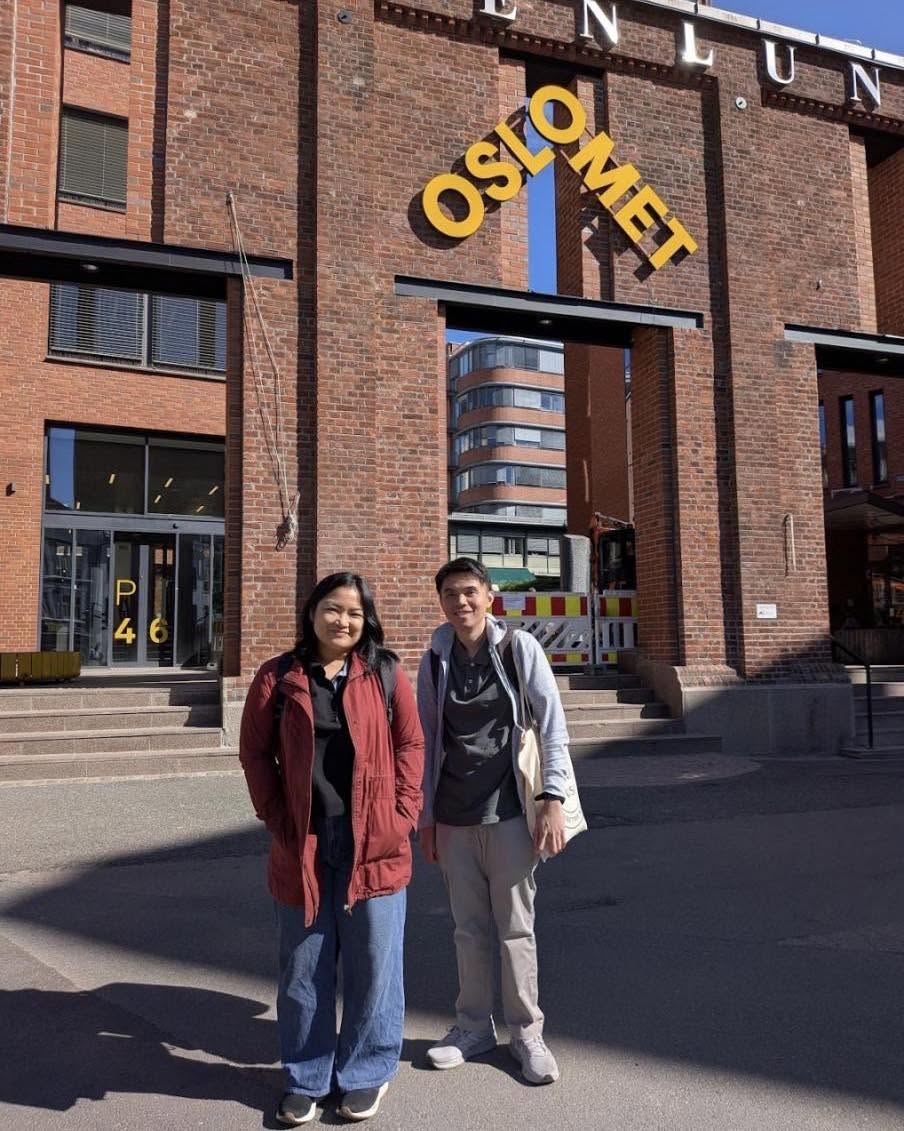
<p class="caption">Assistant Professor Maire Magante (Ateneo de Manila University) and Assistant Professor Anthony Sabarillo (University of the Philippines) at the OsloMet campus.</p>

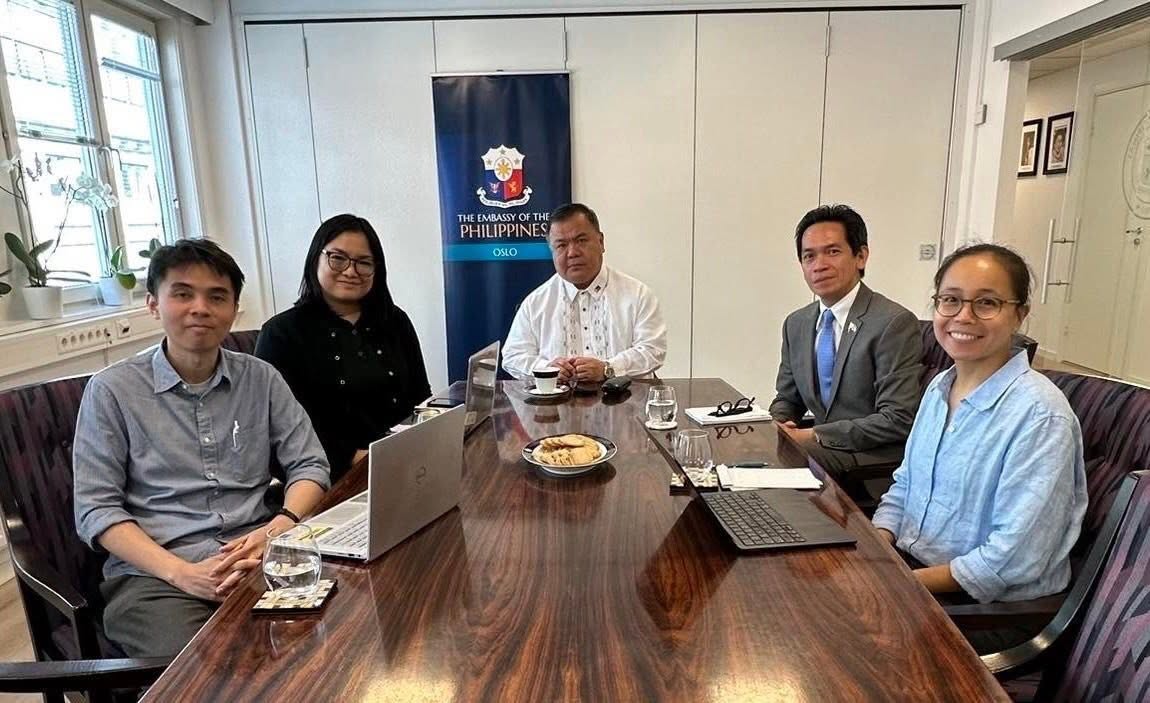
<p>In May-June 2026, we had the opportunity to spend a month as guest researchers at OsloMet. Our days were filled with research meetings, writing sessions, and stimulating conversations with colleagues. One of the highlights of the trip was visiting the Philippine Embassy with Fenella Carpena (Project Manager) to share our research with Ambassador Enrico Fos and Consul Glenn Obach. Beyond our academic work, we were also able to enjoy Oslo’s quiet neighborhoods and scenic waterfront, as well as experience the city’s efficient public transport.</p>

<p>During our visit, we also traveled to Sweden to attend the Nordic Annual Environmental and Resource Economics Workshop (NAERE) in Stockholm and the Nordic Conference in Development Economics (NCDE) in Växjö. These conferences allowed us to engage with other researchers, learn about recent work in environmental and development economics, and explore two distinctly beautiful Swedish cities.</p>

<p>We are deeply grateful for the chance to learn, collaborate, and experience new places through TEMPEST. The visit was both professionally enriching and personally meaningful, and we returned home with renewed inspiration, valuable insights, and wonderful memories.</p>

<p><img src="/tempest/assets/images/2026-06-30-philippine-embassy.jpg" alt="" /></p>

<p class="caption">From Left to Right: Anthony Sabarillo, Maire Magante, Ambassador Enrico Fos, Consul Glenn Obach, Fenella Carpena.</p>]]></content><author><name></name></author><summary type="html"><![CDATA[]]></summary><media:thumbnail xmlns:media="http://search.yahoo.com/mrss/" url="https://fcarpena.github.io/tempest/2026-06-30-oslomet-campus.jpg" /><media:content medium="image" url="https://fcarpena.github.io/tempest/2026-06-30-oslomet-campus.jpg" xmlns:media="http://search.yahoo.com/mrss/" /></entry><entry><title type="html">TEMPEST Ateneo Team Visits Marikina Rescue 161</title><link href="https://fcarpena.github.io/tempest/tempest-ateneo-team-visits-marikina-rescue-161/" rel="alternate" type="text/html" title="TEMPEST Ateneo Team Visits Marikina Rescue 161" /><published>2026-02-01T00:00:00+01:00</published><updated>2026-02-01T00:00:00+01:00</updated><id>https://fcarpena.github.io/tempest/tempest-ateneo-team-visits-marikina-rescue-161</id><content type="html" xml:base="https://fcarpena.github.io/tempest/tempest-ateneo-team-visits-marikina-rescue-161/"><![CDATA[<p>The TEMPEST Ateneo team, composed of Dr. Maire Carroline Magante and Mr. Rainier Gerald Mora, visited Rescue 161, Marikina City’s dedicated disaster response unit, where they met with its Chief, Dr. Dave C. David, DBA, MCDRM.</p>

<p>The visit formed part of the TEMPEST project, a collaborative research initiative examining how local governments strengthen their disaster risk reduction and management (DRRM) systems and adapt to climate-related hazards. Through engagement with local stakeholders and DRRM practitioners, the project seeks to better understand how institutional arrangements, local experience, and operational practices contribute to building more resilient communities.</p>

<p>During the meeting, Dr. David discussed the evolution of Rescue 161, tracing how the unit has developed its organizational structures, resources, and operational procedures in response to Marikina City’s changing disaster risk environment. The discussion highlighted how lessons from past emergencies have informed the city’s continuing efforts to strengthen preparedness, coordination, and response capabilities.</p>

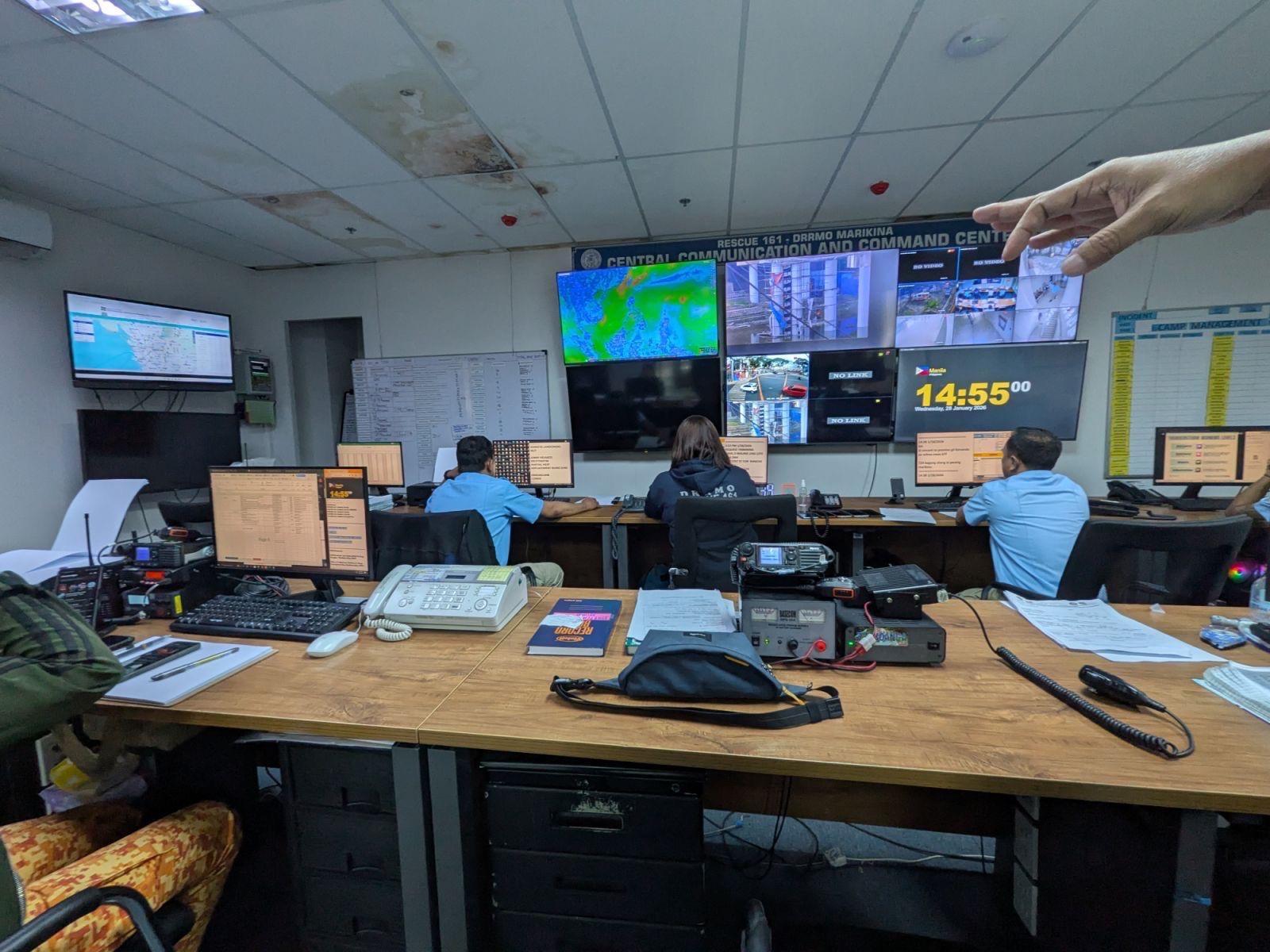
<p>The Ateneo team was also given a guided tour of Rescue 161’s command center, which plays a central role in coordinating the city’s emergency response operations. The facility provides personnel with oversight of conditions along the Marikina River, an important component of the city’s flood monitoring and early warning systems. The command center also enables personnel to monitor emergency calls, track the deployment and movements of response teams, and maintain communication with staff operating across the city. These capabilities illustrate the importance of timely information and coordination in managing emergency situations, particularly when conditions require rapid decisions and the mobilization of multiple response teams.</p>

<p><img src="/tempest/assets/images/2026-02-01-rescue-161-command-center.jpg" alt="" /></p>

<p class="caption">Rescue 161’s Central Communication and Command Center.</p>

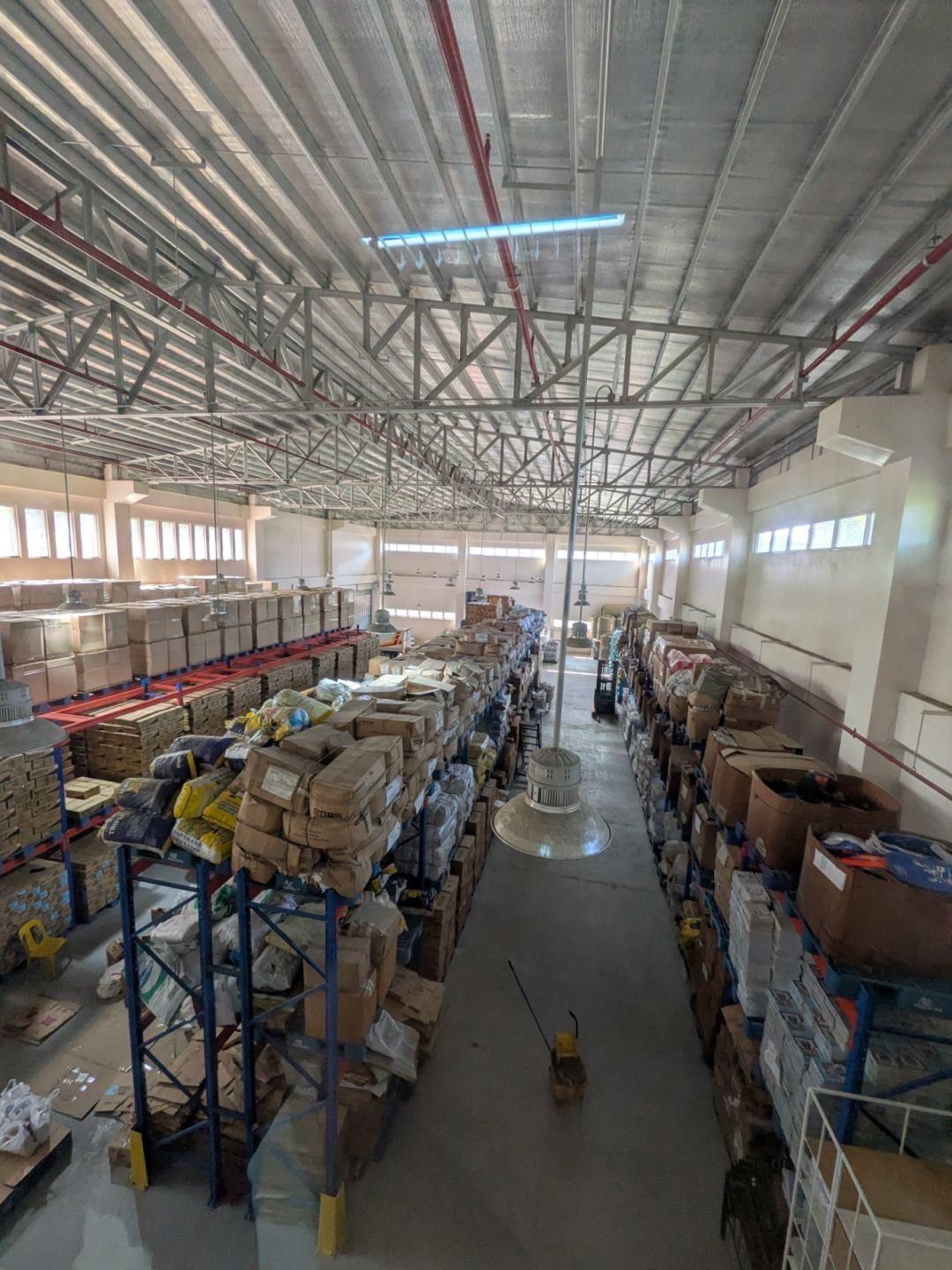
<p>The visit continued with a tour of Rescue 161’s warehouse, where the team was introduced to the equipment and supplies maintained for disaster preparedness, emergency operations, and humanitarian assistance. These included emergency supply packs prepared for distribution to affected residents, as well as motorized rescue boats used to navigate floodwaters and support rescue operations. The tour provided a closer look at the logistical preparations that underpin the city’s ability to mobilize personnel and resources during emergencies.</p>

<p><img src="/tempest/assets/images/2026-02-01-rescue-161-warehouse.jpg" alt="" /></p>

<p class="caption">Supplies stored at the Rescue 161 warehouse.</p>

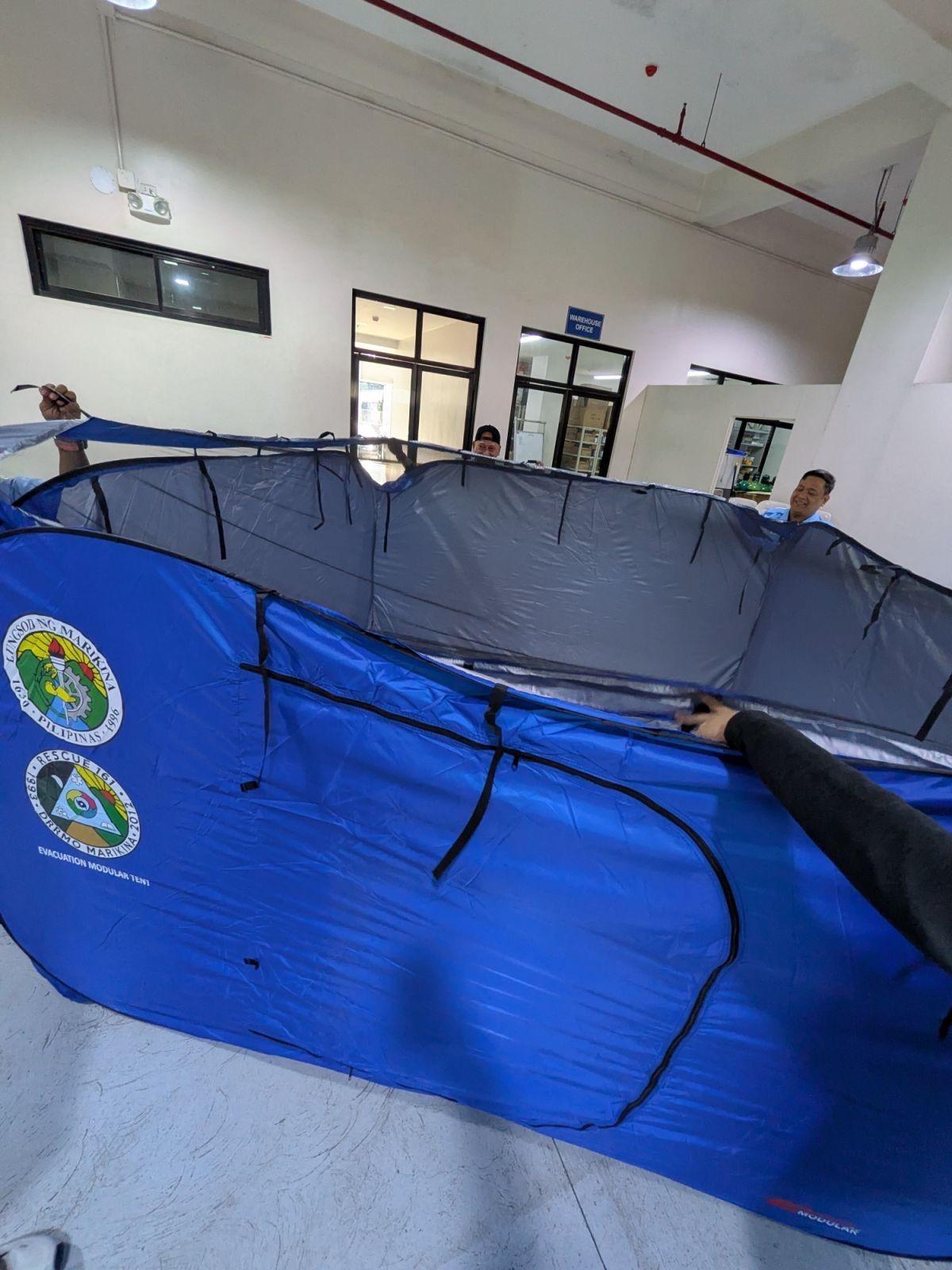
<p>Among the facilities and equipment presented were tents used to accommodate displaced residents at evacuation centers. Beyond providing temporary shelter, these tents are intended to offer families and individuals a measure of privacy and personal space during evacuation. Their inclusion reflects an important dimension of disaster response: ensuring that emergency accommodation addresses not only immediate safety requirements but also the dignity, comfort, and well-being of those seeking refuge.</p>

<p><img src="/tempest/assets/images/2026-02-01-rescue-161-evacuation-tent.jpg" alt="" /></p>

<p class="caption">A modular tent used to give evacuees privacy at evacuation centers.</p>

<p>The discussions and facility tours offered the TEMPEST Ateneo team a closer understanding of how Marikina City’s DRRM arrangements have evolved beyond formal policies and institutional structures. From river monitoring and emergency dispatch coordination to rescue equipment and evacuation facilities, the visit illustrated the range of operational resources involved in translating disaster preparedness plans into practical response measures.</p>

<p>The visit reaffirmed the value of collaboration between academic institutions and local governments in understanding how cities continue to adapt their disaster preparedness and response systems to evolving risks.</p>]]></content><author><name></name></author><summary type="html"><![CDATA[The TEMPEST Ateneo team, composed of Dr. Maire Carroline Magante and Mr. Rainier Gerald Mora, visited Rescue 161, Marikina City’s dedicated disaster response unit, where they met with its Chief, Dr. Dave C. David, DBA, MCDRM.]]></summary><media:thumbnail xmlns:media="http://search.yahoo.com/mrss/" url="https://fcarpena.github.io/tempest/2026-02-01-rescue-161-command-center.jpg" /><media:content medium="image" url="https://fcarpena.github.io/tempest/2026-02-01-rescue-161-command-center.jpg" xmlns:media="http://search.yahoo.com/mrss/" /></entry><entry><title type="html">TEMPEST Ateneo Team Explores Disaster Preparedness in Marikina</title><link href="https://fcarpena.github.io/tempest/tempest-ateneo-team-explores-disaster-preparedness-in-marikina/" rel="alternate" type="text/html" title="TEMPEST Ateneo Team Explores Disaster Preparedness in Marikina" /><published>2026-01-30T00:00:00+01:00</published><updated>2026-01-30T00:00:00+01:00</updated><id>https://fcarpena.github.io/tempest/tempest-ateneo-team-explores-disaster-preparedness-in-marikina</id><content type="html" xml:base="https://fcarpena.github.io/tempest/tempest-ateneo-team-explores-disaster-preparedness-in-marikina/"><![CDATA[<p>As part of its continuing research into local disaster resilience, the TEMPEST Ateneo team engaged with disaster risk reduction and management practitioners in Marikina City to better understand how local institutions coordinate emergency response, mobilize resources, and adapt their preparedness systems to evolving risks.</p>

<p>The interviews, which the team started this month, formed part of the TEMPEST project, a collaborative research initiative examining how local governments develop and adapt their DRRM systems. Through conversations with local practitioners, the project seeks to understand how institutional arrangements, operational experience, and cooperation across government and communities contribute to disaster resilience.</p>

<p>A central theme of the discussions was the evolution of Marikina City’s emergency response arrangements. The TEMPEST Ateneo team learned about how the city developed many of its local disaster coordination practices before the passage of the Philippine Disaster Risk Reduction and Management Act of 2010 (Republic Act No. 10121). These arrangements have continued to evolve through subsequent national policies, local initiatives, and lessons from past emergencies.</p>

<p>The interviews also highlighted the importance of coordination during disasters. When severe weather approaches, Marikina prepares equipment and supplies, communicates warnings to communities, and coordinates with national agencies through established channels. Within the city government, emergency responsibilities extend beyond dedicated DRRM personnel. Different departments are assigned roles in evacuation operations, including managing designated evacuation sites and coordinating assistance for affected residents.</p>

<p>Community preparedness was another important area of discussion. It was explained how residents in flood-prone areas have become familiar with river-level warning thresholds and their designated evacuation sites. Community training and information campaigns are intended to help households prepare and act when emergencies arise, complementing the work of formal response teams.</p>

<p>The conversations also offered insights into the continuing and evolving challenges of disaster preparedness. These include maintaining flood-control infrastructure, securing resources for updated training and communications equipment, and improving evacuation facilities to accommodate the needs of children and families with pets.</p>

<p>The interviews provided the TEMPEST Ateneo team with a closer understanding of how disaster preparedness in Marikina involves not only formal institutions and emergency equipment, but also established coordination practices, community participation, and continuous institutional learning. These exchanges contribute to the project’s broader effort to document local DRRM experiences and generate evidence that can inform more adaptive and context-sensitive approaches to disaster governance.</p>

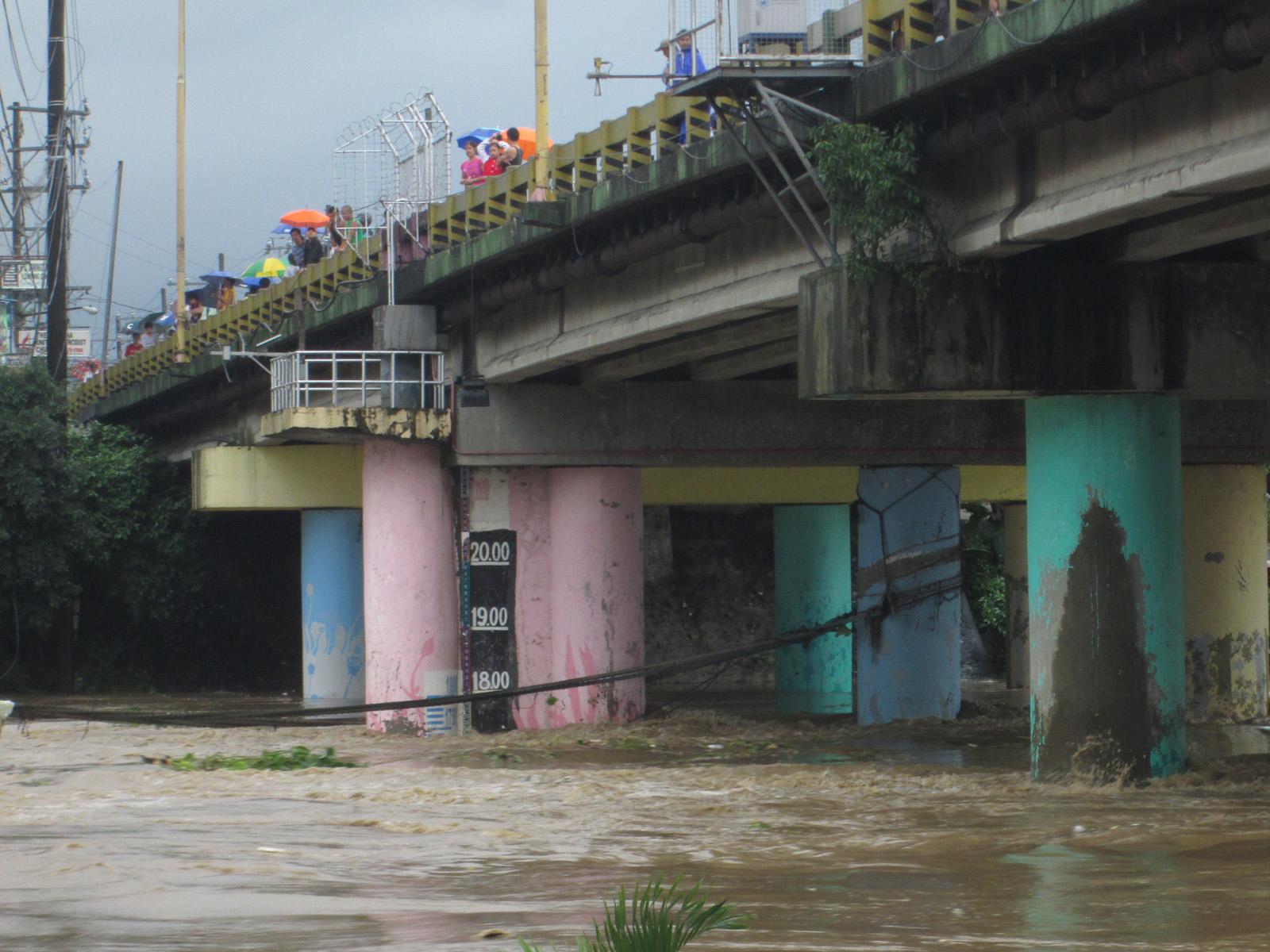
<p><img src="/tempest/assets/images/2026-01-30-marikina-river-flood.jpg" alt="" /></p>

<p class="caption">The Marikina River on August 20, 2013. Photo: <a href="https://commons.wikimedia.org/wiki/File:2013-08-20-Marikina-River-18m-Water-Level.JPG">Chitetskoy / Wikimedia Commons</a>, <a href="https://creativecommons.org/licenses/by-sa/3.0">CC BY-SA 3.0</a>.</p>]]></content><author><name></name></author><summary type="html"><![CDATA[As part of its continuing research into local disaster resilience, the TEMPEST Ateneo team engaged with disaster risk reduction and management practitioners in Marikina City to better understand how local institutions coordinate emergency response, mobilize resources, and adapt their preparedness systems to evolving risks.]]></summary><media:thumbnail xmlns:media="http://search.yahoo.com/mrss/" url="https://fcarpena.github.io/tempest/2026-01-30-marikina-river-flood.jpg" /><media:content medium="image" url="https://fcarpena.github.io/tempest/2026-01-30-marikina-river-flood.jpg" xmlns:media="http://search.yahoo.com/mrss/" /></entry><entry><title type="html">Learning from the Floods: TEMPEST Visits Marikina Rescue 161</title><link href="https://fcarpena.github.io/tempest/learning-from-the-floods/" rel="alternate" type="text/html" title="Learning from the Floods: TEMPEST Visits Marikina Rescue 161" /><published>2026-01-28T00:00:00+01:00</published><updated>2026-01-28T00:00:00+01:00</updated><id>https://fcarpena.github.io/tempest/learning-from-the-floods</id><content type="html" xml:base="https://fcarpena.github.io/tempest/learning-from-the-floods/"><![CDATA[<p>How does a city learn to live with floods? For Marikina City, where heavy rains and rising river waters have long threatened communities, the answer lies in decades of experience, adaptation, and preparation.</p>

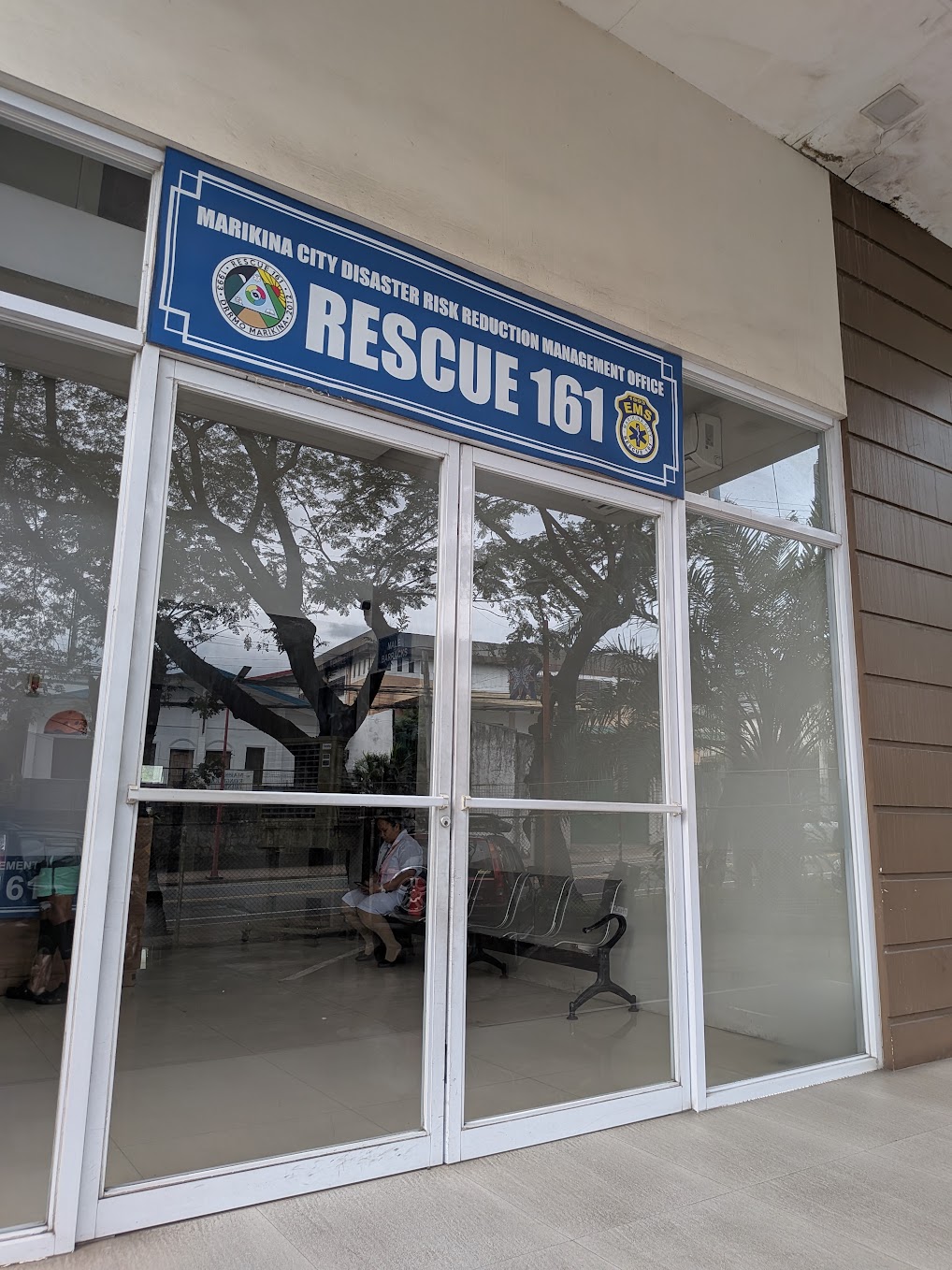
<p><img src="/tempest/assets/images/2026-01-28-rescue-161-office.jpg" alt="" /></p>

<p class="caption">Marikina’s Rescue 161 Office.</p>

<p>As part of TEMPEST (<em>Typhoon Effects on Enterprises in the Philippines</em>), researchers visited Marikina Rescue 161, the city’s emergency response and disaster risk reduction and management center, to better understand how local governments prepare for and respond to typhoons. During the fieldwork, the research team conducted a key informant interview with Dr. Dave C. David, Head of the Marikina City Disaster Risk Reduction and Management Office (DRRMO).</p>

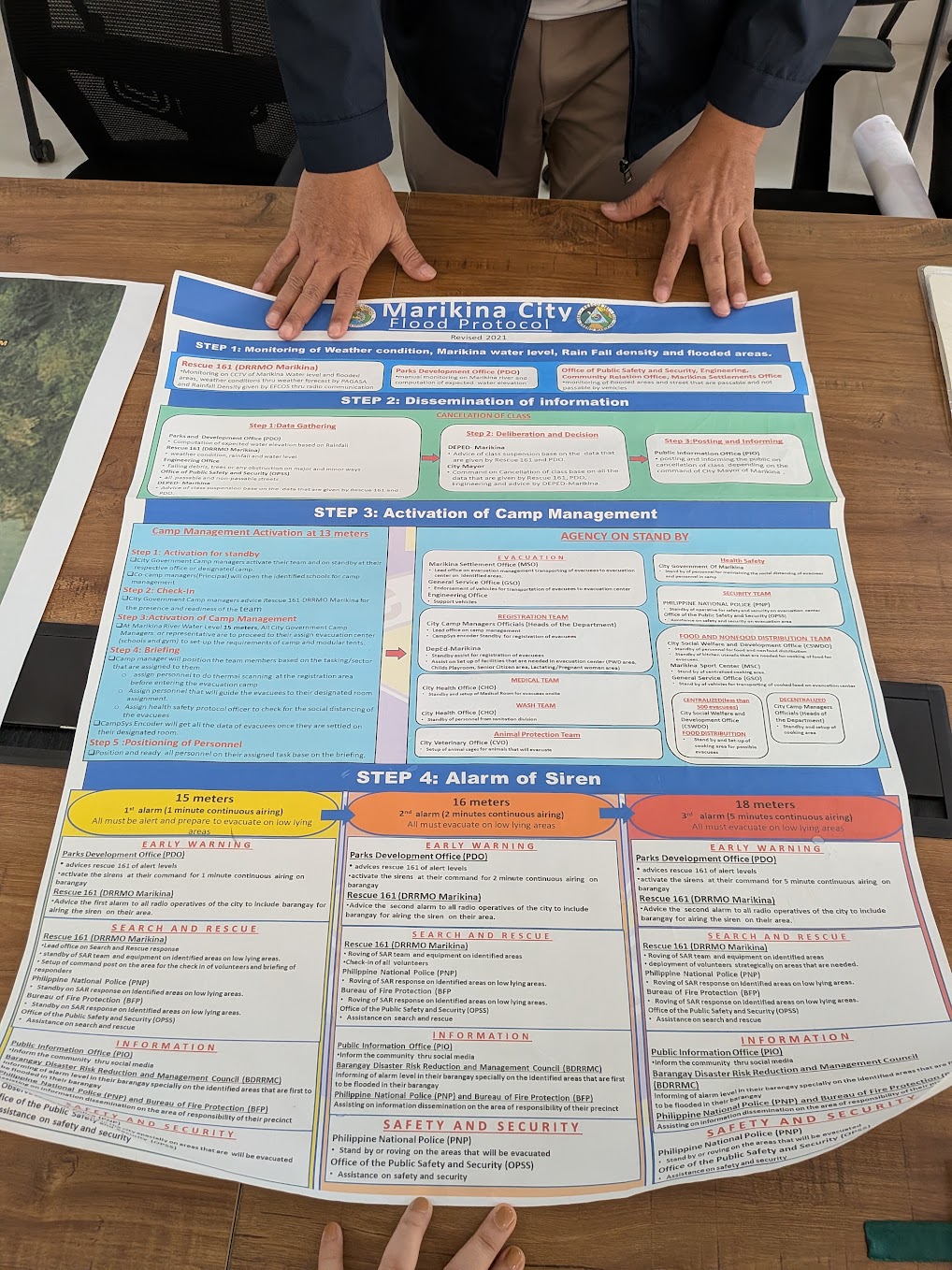
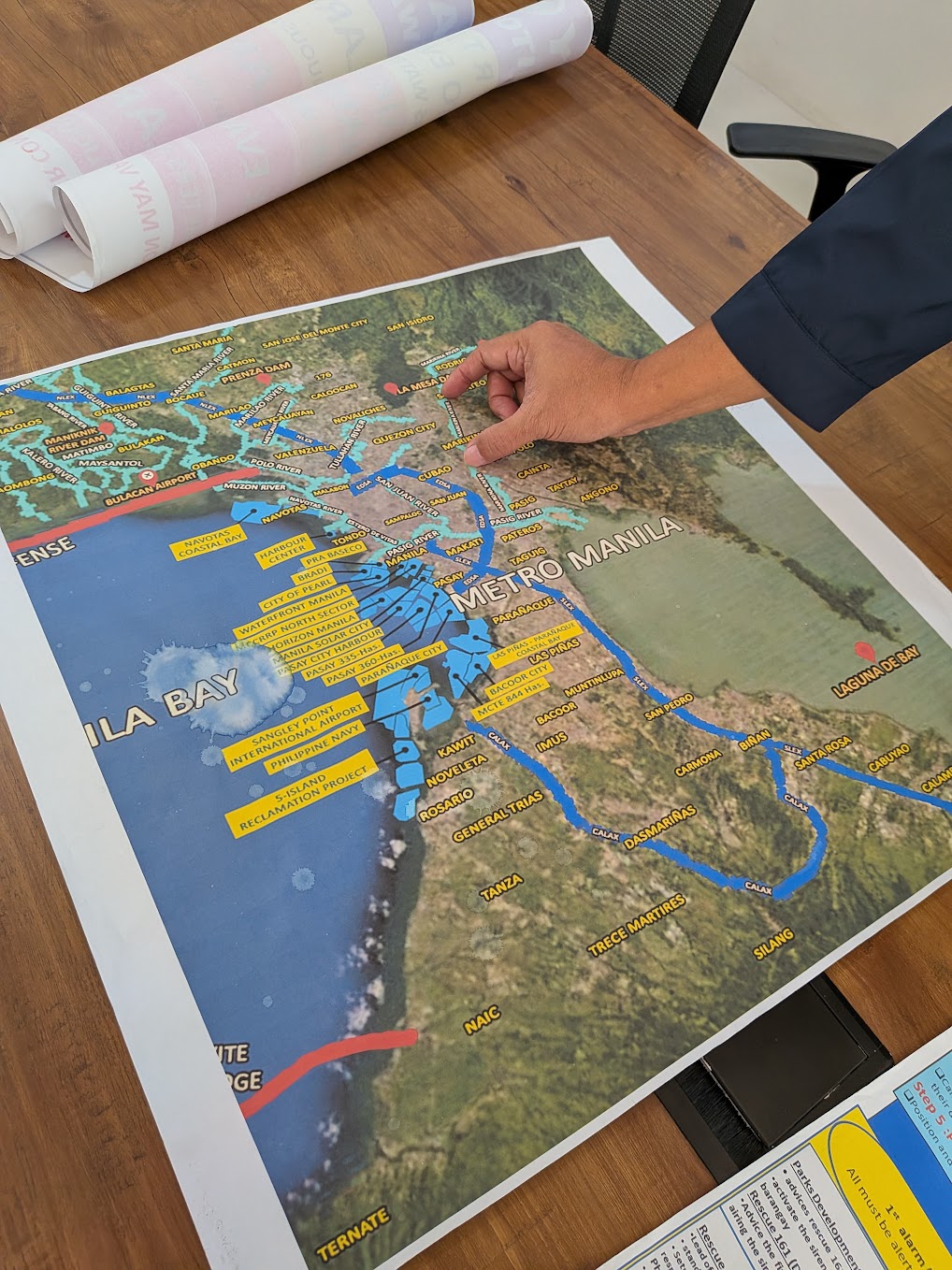
<p>Dr. David generously shared Marikina’s journey in disaster management, explaining how the city’s approach has evolved through years of experience with severe flooding and destructive typhoons. One important discussion focused on how floodwaters move through Marikina during the rainy season. Understanding where water comes from, its expected arrival in the city (through nearby mountains), how quickly water levels rise, and which communities face the greatest risks helps local authorities anticipate flooding and prepare appropriate responses. The team also learned how Marikina developed and continuously improved its evacuation protocols. Drawing lessons from past disasters, particularly Typhoon Ondoy in 2009, the city strengthened its early warning systems, coordination mechanisms, and evacuation procedures to better protect residents.</p>

<p><img src="/tempest/assets/images/2026-01-28-marikina-flood-protocol.jpg" alt="" /></p>

<p class="caption">Dr. David explaining the evolution of Marikina’s flood early warning system.</p>

<p>Beyond the technical discussions, the visit highlighted an important lesson: disaster preparedness is not built overnight. It develops through experience, institutional learning, and the willingness to improve existing systems.</p>

<p>For TEMPEST, these firsthand insights provide valuable context for understanding how communities and local institutions adapt to recurring typhoon threats. Marikina’s experience demonstrates that while typhoons cannot be prevented, their consequences can be better managed through preparation, coordination, and continuous learning.</p>

<p><img src="/tempest/assets/images/2026-01-28-marikina-flood-map.jpg" alt="" /></p>

<p class="caption">The anticipated flow of rainwater from the surrounding mountains and upstream watersheds toward Marikina City during heavy rainfall.</p>]]></content><author><name></name></author><summary type="html"><![CDATA[How does a city learn to live with floods? For Marikina City, where heavy rains and rising river waters have long threatened communities, the answer lies in decades of experience, adaptation, and preparation.]]></summary><media:thumbnail xmlns:media="http://search.yahoo.com/mrss/" url="https://fcarpena.github.io/tempest/2026-01-28-rescue-161-office.jpg" /><media:content medium="image" url="https://fcarpena.github.io/tempest/2026-01-28-rescue-161-office.jpg" xmlns:media="http://search.yahoo.com/mrss/" /></entry><entry><title type="html">TEMPEST Engages with PSA to Discuss Progress and Next Steps</title><link href="https://fcarpena.github.io/tempest/tempest-engages-with-psa-to-discuss-progress-and-next-steps/" rel="alternate" type="text/html" title="TEMPEST Engages with PSA to Discuss Progress and Next Steps" /><published>2025-12-19T00:00:00+01:00</published><updated>2025-12-19T00:00:00+01:00</updated><id>https://fcarpena.github.io/tempest/tempest-engages-with-psa-to-discuss-progress-and-next-steps</id><content type="html" xml:base="https://fcarpena.github.io/tempest/tempest-engages-with-psa-to-discuss-progress-and-next-steps/"><![CDATA[<p><img src="/tempest/assets/images/2025-12-19-psa-meeting.jpg" alt="" /></p>

<p class="caption">National Statistician Dennis Mapa (center) with TEMPEST project team members and PSA leadership.</p>

<p>The TEMPEST project team met with the Philippine Statistics Authority (PSA)—the country’s national statistics agency—for a lunch discussion.</p>

<p>PSA is a key part of the project, and an essential source of data for our research. The meeting was an opportunity to share progress, discuss next steps, and strengthen collaboration with PSA.</p>

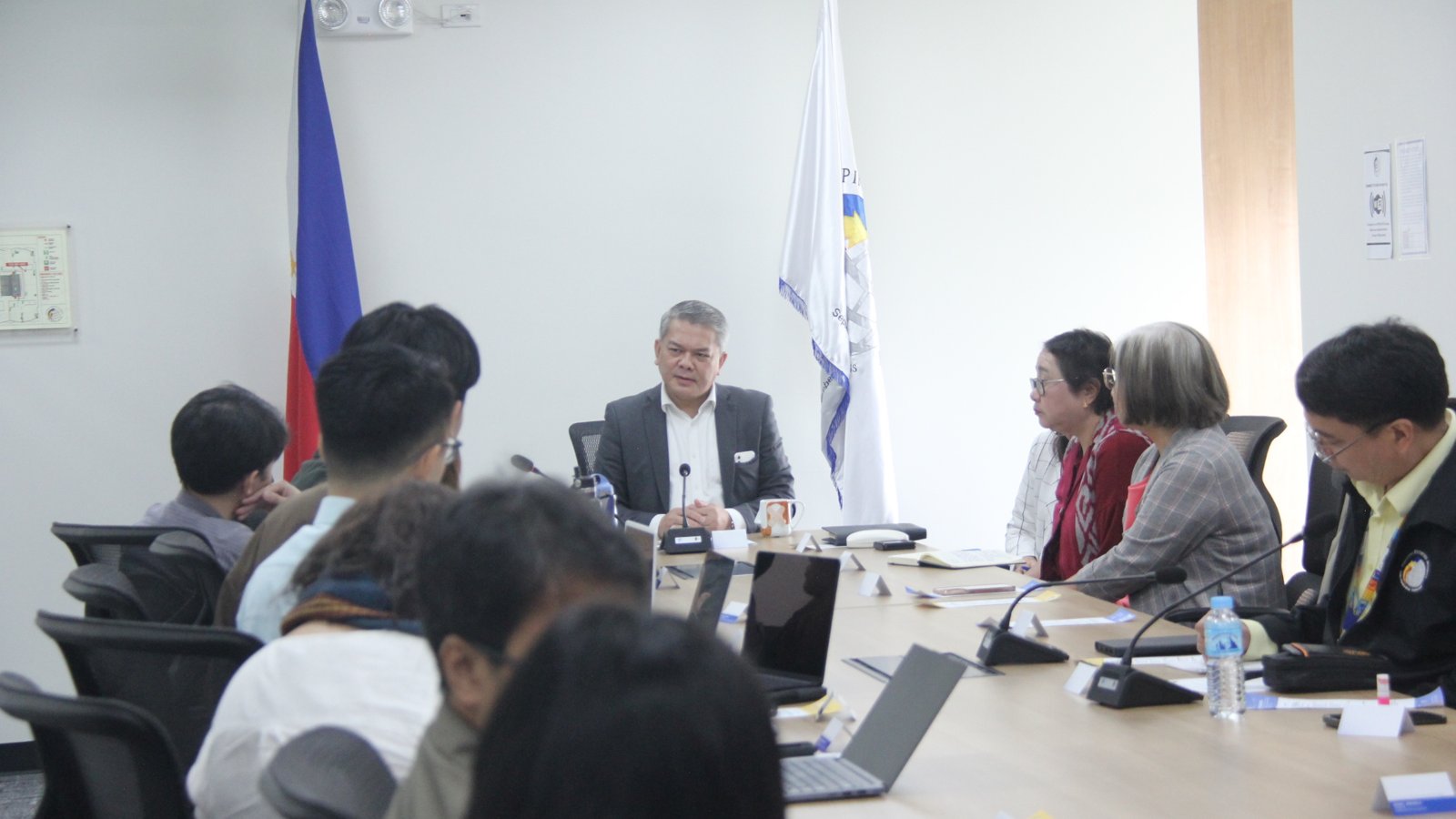
<p>Fenella Carpena presented TEMPEST to National Statistician (NS) Dennis Mapa and his team—highlighting the project’s empirical framework and ways in which PSA data are supporting the analysis. NS Mapa provided helpful feedback on the project’s activities, and offered practical guidance on moving the research forward.</p>

<p>We greatly appreciate PSA’s engagement and constructive input. The discussion reinforced the value of close coordination, as we work toward research outputs that are both rigorous and policy relevant.</p>

<p>We kindly thank NS Mapa and his team for their time and insights. We are also grateful to Director Benjie Navarro and his team at the PSA’s International Cooperation Unit, for organizing the meeting and facilitating the partnership.</p>]]></content><author><name></name></author><summary type="html"><![CDATA[]]></summary><media:thumbnail xmlns:media="http://search.yahoo.com/mrss/" url="https://fcarpena.github.io/tempest/2025-12-19-psa-meeting.jpg" /><media:content medium="image" url="https://fcarpena.github.io/tempest/2025-12-19-psa-meeting.jpg" xmlns:media="http://search.yahoo.com/mrss/" /></entry><entry><title type="html">TEMPEST Presented at the Philippine Embassy in Norway</title><link href="https://fcarpena.github.io/tempest/tempest-presented-at-the-philippine-embassy-in-norway/" rel="alternate" type="text/html" title="TEMPEST Presented at the Philippine Embassy in Norway" /><published>2025-11-21T00:00:00+01:00</published><updated>2025-11-21T00:00:00+01:00</updated><id>https://fcarpena.github.io/tempest/tempest-presented-at-the-philippine-embassy-in-norway</id><content type="html" xml:base="https://fcarpena.github.io/tempest/tempest-presented-at-the-philippine-embassy-in-norway/"><![CDATA[<p><img src="/tempest/assets/images/2025-11-21-philippine-embassy.jpg" alt="" /></p>

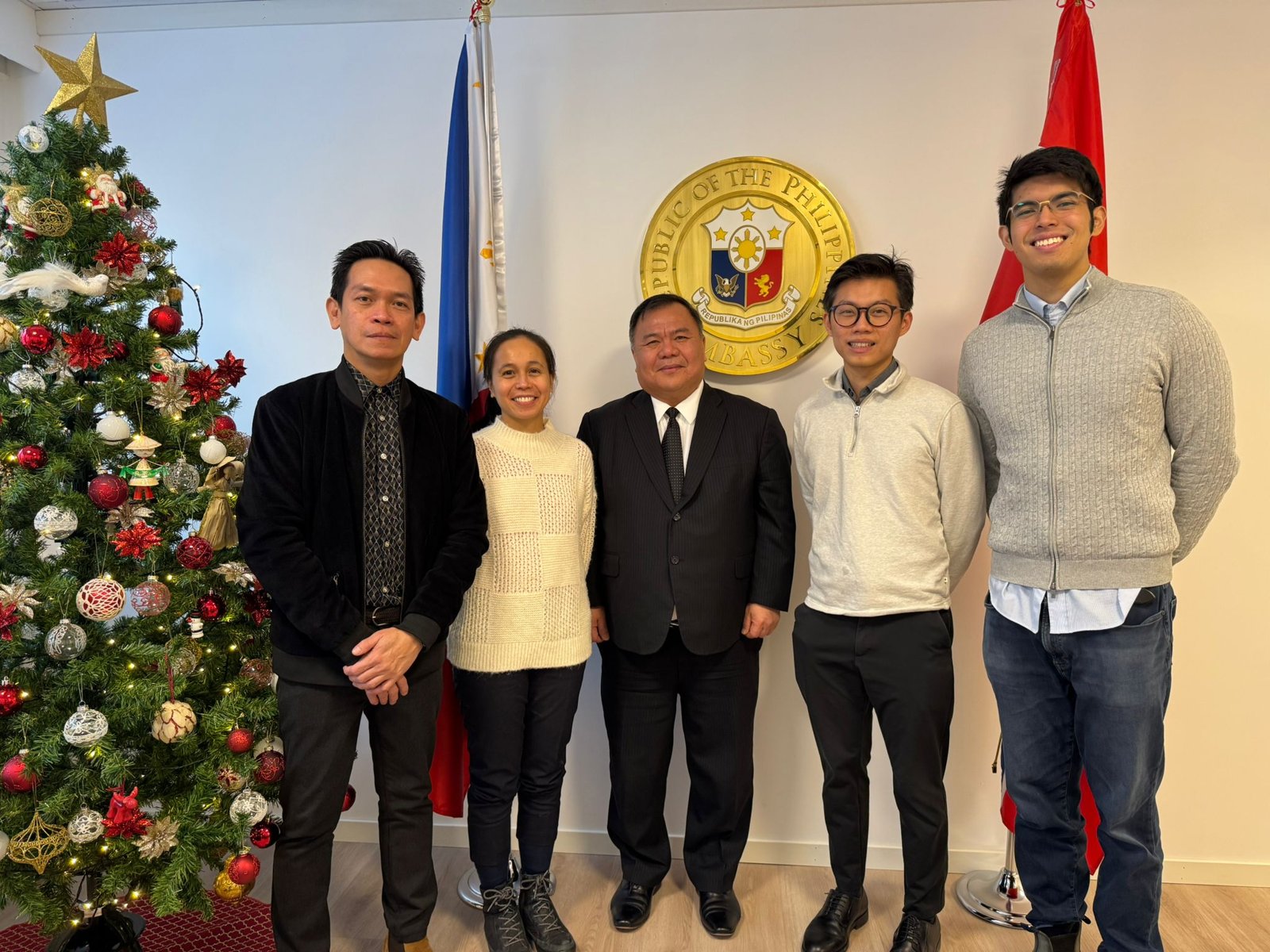
<p class="caption">From Left to Right: Consul Glenn Obach, Fenella Carpena, Ambassador Enrico Fos, Laurence Go, and Matthew Araneta.</p>

<p>Project Manager <a href="https://www.ocf.berkeley.edu/~fcarpena/">Fenella Carpena</a> visited the Philippine Embassy in Oslo to share updates on TEMPEST with Ambassador Enrico Fos and Consul Glenn Obach.</p>

<p>She was joined by colleagues from the University of Oslo—<a href="https://www.laurencego.com/">Laurence Go</a> (Postdoctoral Researcher) and Matthew Araneta (Research Assistant)—who are also working on Philippines-related research projects.</p>

<p>The meeting included discussion of TEMPEST’s collaboration with the Philippine Statistics Authority (PSA)—which is providing core data for the project—as well as its academic partnerships with University of the Philippines and Ateneo de Manila University.</p>

<p>The Embassy expressed strong support for TEMPEST and emphasized its interest in further strengthening collaboration between Norwegian and Philippine universities.</p>]]></content><author><name></name></author><summary type="html"><![CDATA[]]></summary><media:thumbnail xmlns:media="http://search.yahoo.com/mrss/" url="https://fcarpena.github.io/tempest/2025-11-21-philippine-embassy.jpg" /><media:content medium="image" url="https://fcarpena.github.io/tempest/2025-11-21-philippine-embassy.jpg" xmlns:media="http://search.yahoo.com/mrss/" /></entry><entry><title type="html">Kick-off Workshop on “Firms and Economic Development”</title><link href="https://fcarpena.github.io/tempest/kick-off-workshop-on-firms-and-economic-development/" rel="alternate" type="text/html" title="Kick-off Workshop on “Firms and Economic Development”" /><published>2025-08-04T00:00:00+02:00</published><updated>2025-08-04T00:00:00+02:00</updated><id>https://fcarpena.github.io/tempest/kick-off-workshop-on-firms-and-economic-development</id><content type="html" xml:base="https://fcarpena.github.io/tempest/kick-off-workshop-on-firms-and-economic-development/"><![CDATA[<p><img src="/tempest/assets/images/2025-08-04-workshop-banner.jpg" alt="" /></p>

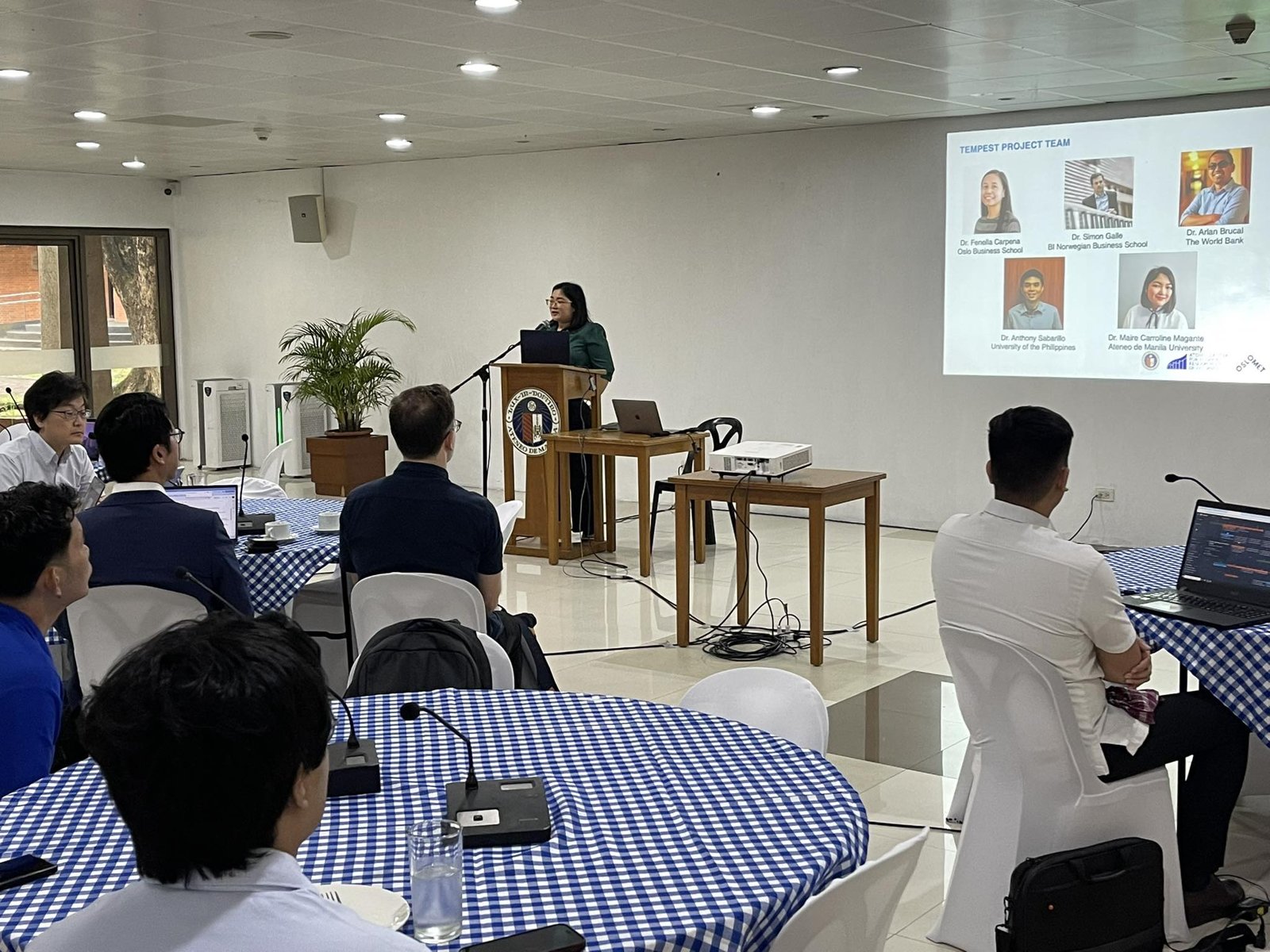
<p>To kick off the project, we organized a one-day workshop on “Firms and Economic Development” last August 4, 2025 in Manila, Philippines.</p>

<p>The full workshop program can be found <a href="/tempest/assets/files/2025-08-04-workshop-program.pdf">here.</a></p>

<p>Our partner institution, Ateneo de Manila University, hosted the workshop at Faber Hall, Loyola Heights campus.</p>

<p>The workshop featured keynote talks from Professor <a href="https://scholar.google.com/citations?user=RCI63PsAAAAJ&amp;hl=en">Toshihiro Okubo</a> (Keio University) and Professor <a href="https://www.hkubs.hku.hk/people/heiwai-tang/">Heiwai Tang</a> (Hong Kong University, Business School).</p>

<p>In addition, there were presentations by scholars from the World Bank, Central Bank of the Philippines (<em>Bangko Sentral ng Pilipinas</em>), Seoul National University, the University of the Philippines, and Ateneo de Manila University.</p>

<p>More details about the workshop are available at the Ateneo de Manila University’s news page <a href="https://www.ateneo.edu/news/2025/08/22/workshop-firms-economic-development-organized-tempest-typhoon-effects-enterprises">here</a>, and more photos from the event can be found at their Facebook page <a href="https://www.facebook.com/EcoDeptAteneoLS/posts/pfbid02jrFpsmycmzRPFXdS7yWxtmeHfxnmqVvEoSPgZFBF9f35c9oVknUFm7W9gvtRagMJl?rdid=KkwLankuQLiC5GzS">here</a>.</p>

<p><img src="/tempest/assets/images/2025-08-04-workshop-presentation.jpg" alt="" /></p>

<p class="caption">Assistant Professor Maire Magante (Ateneo de Manila University) presents an overview of TEMPEST during the workshop.</p>]]></content><author><name></name></author><summary type="html"><![CDATA[]]></summary><media:thumbnail xmlns:media="http://search.yahoo.com/mrss/" url="https://fcarpena.github.io/tempest/2025-08-04-workshop-presentation.jpg" /><media:content medium="image" url="https://fcarpena.github.io/tempest/2025-08-04-workshop-presentation.jpg" xmlns:media="http://search.yahoo.com/mrss/" /></entry></feed>